
How exposure-normalized incidents, obstruction data and auditable fleet logs can support safer public delivery-robot deployment.
記事
表示中 1 - 11 / 11 Posts

Why hybrid couriers, secure endpoints and interoperable custody systems may unlock more value than complete door-to-door autonomy.
現地パートナーシップ、限定的な運用設計ドメイン(ODD)、段階的な認証プロセスを組み合わせることで、自律型ロボットは新しい市場に安全かつ効果的に参入できます。Fainzyが考える市場参入の成功戦略を解説します。
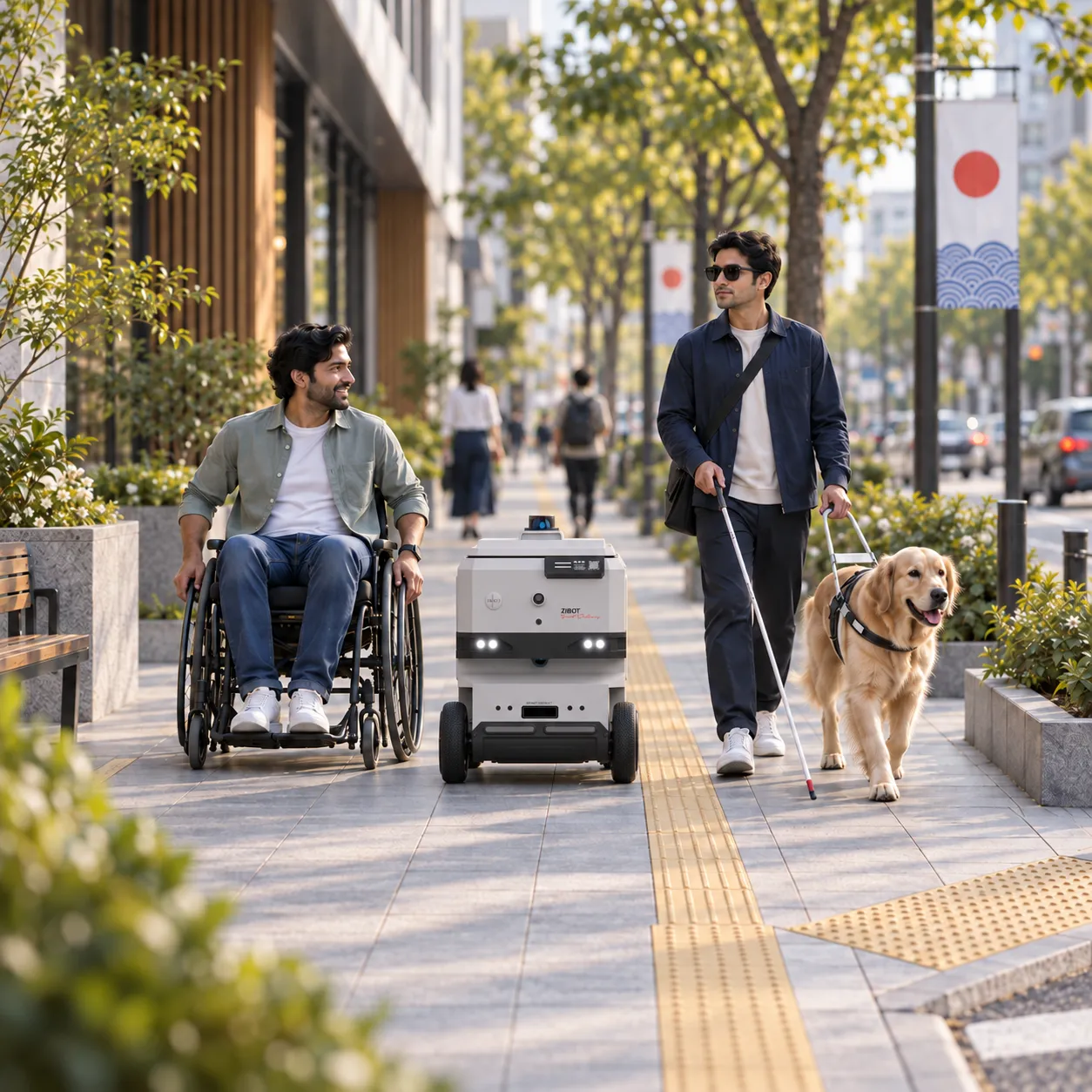
衝突回避機能だけでは配送ロボットの安全性は担保されません。アクセシビリティの確保、歩行者通路の維持、フリートレベルの障害防止、そして予測可能な動作が真の安全性の条件です。本記事ではFainzyの視点を解説します。
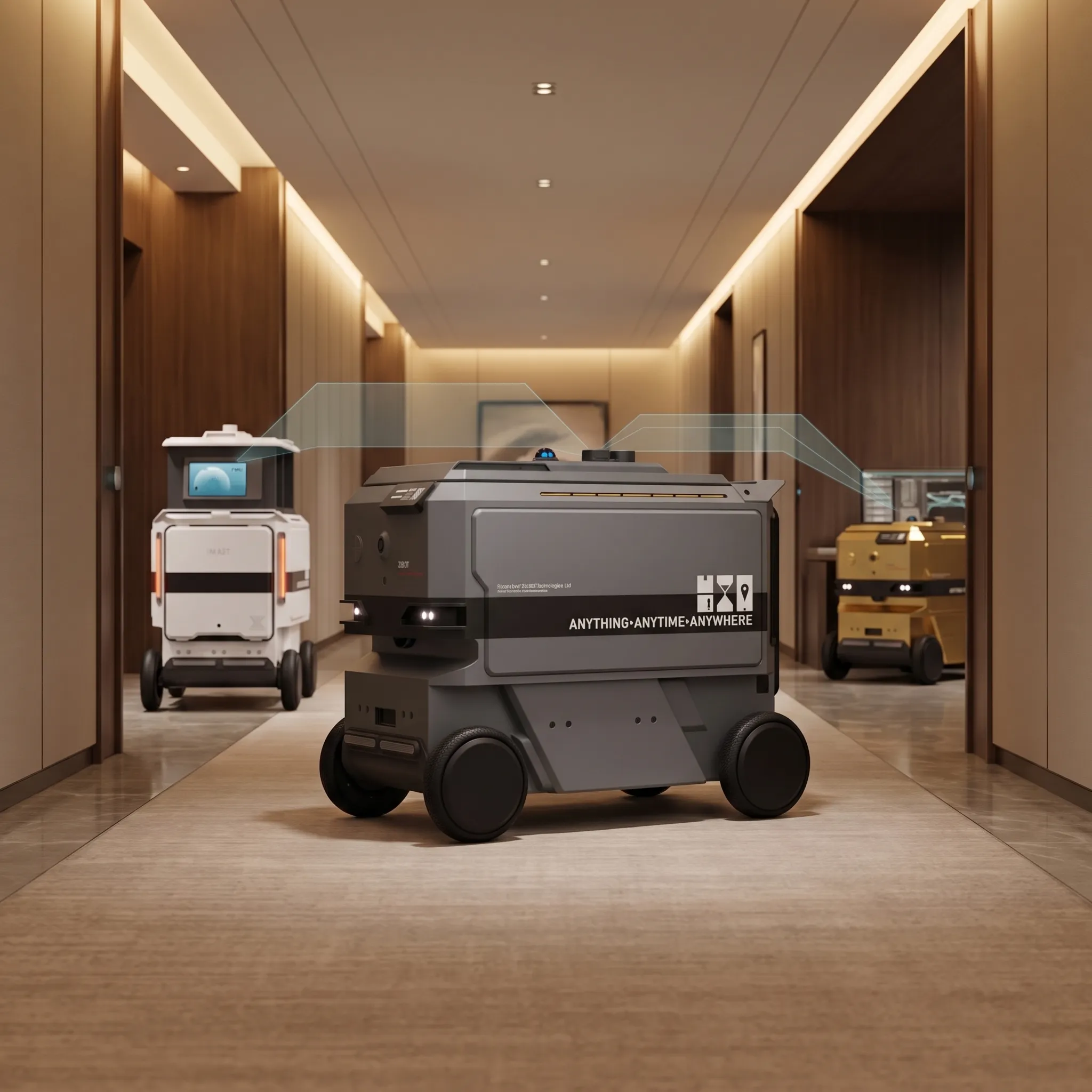
配送・案内・広告・清掃を組み合わせれば稼働率は高まるが、焦点の定まらない、保守しづらいロボットになる危険もある。
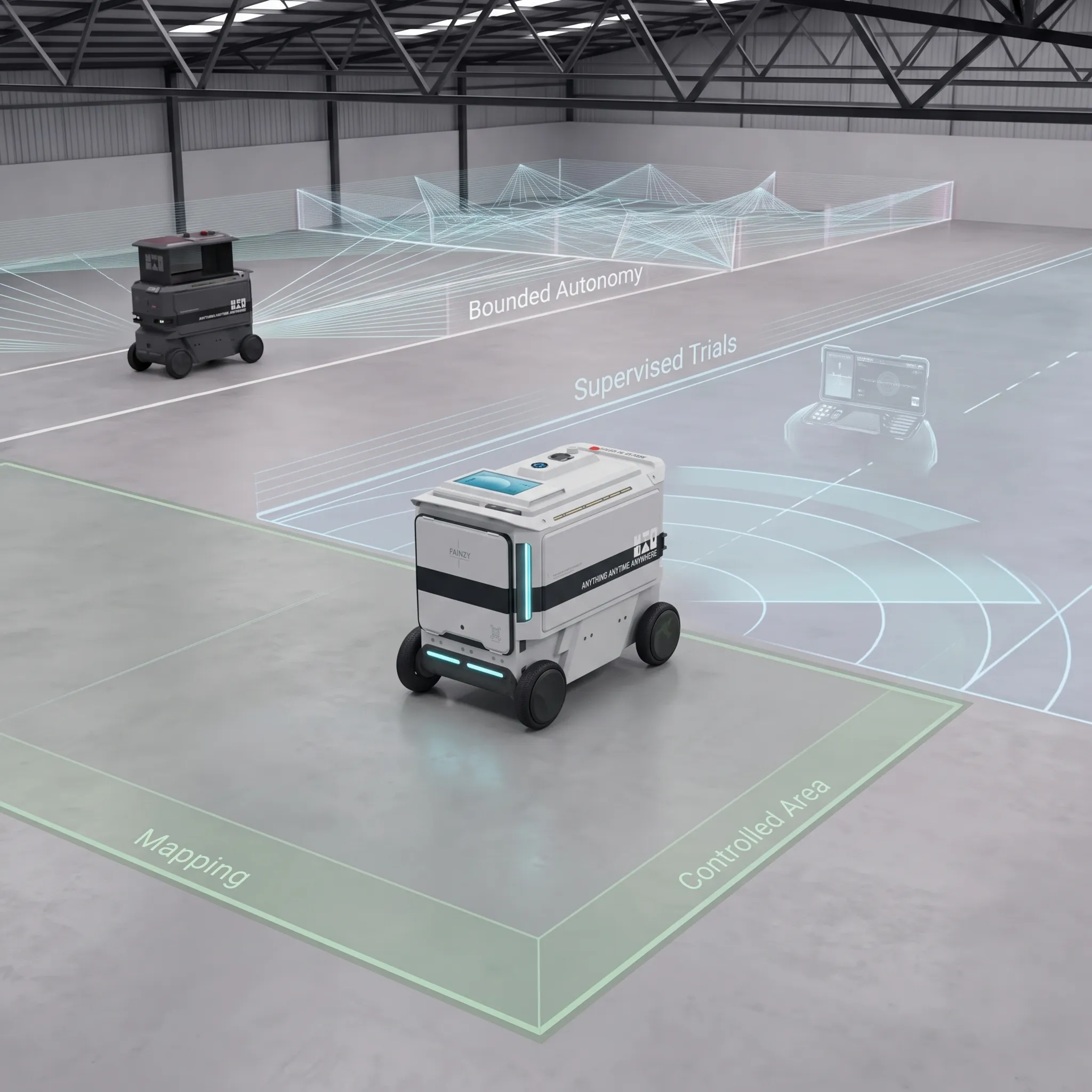
監督下での試験から、範囲を限定した自律運行へと段階的に移行することで、より安全な認証に必要な実績データが積み上がる。
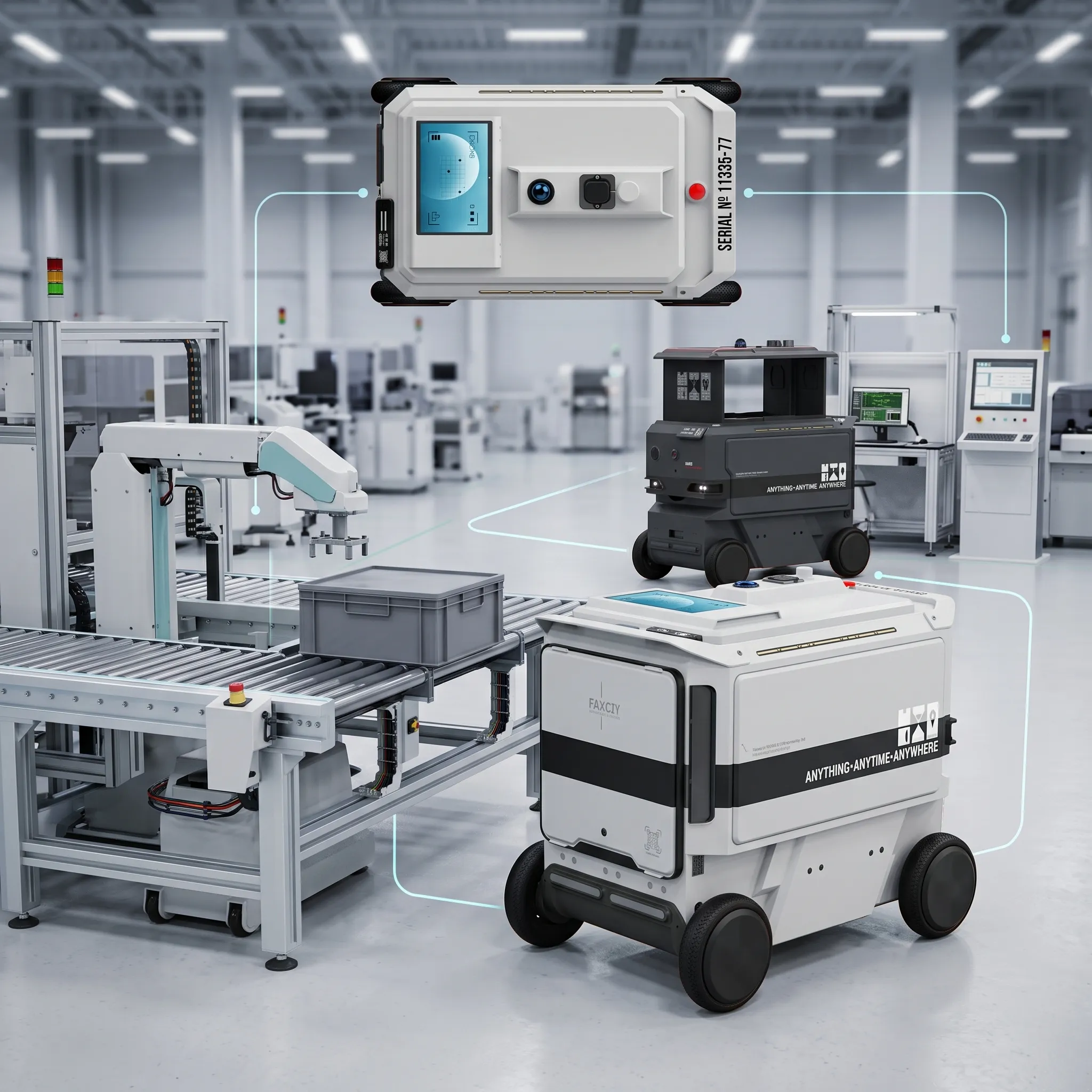
大規模なAMR導入の事例は、ロボットを施設やワークフローに接続する作業が、ロボットを確実に走らせること以上に難しい場合が多いことを示している。
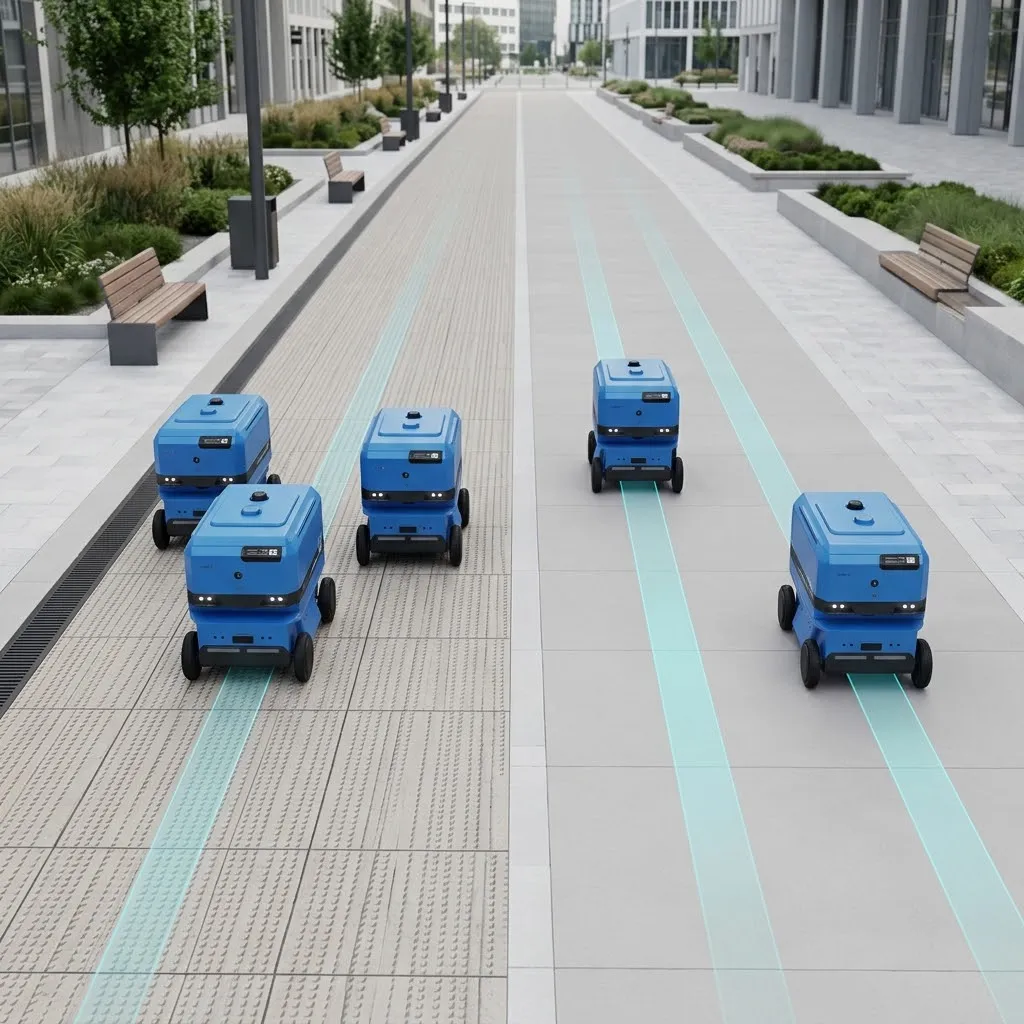
個々の障害物回避だけでは、配送ロボットの一団が共有の歩行者ルートを塞ぐことを防げない。防げるのはフリート制御だ。
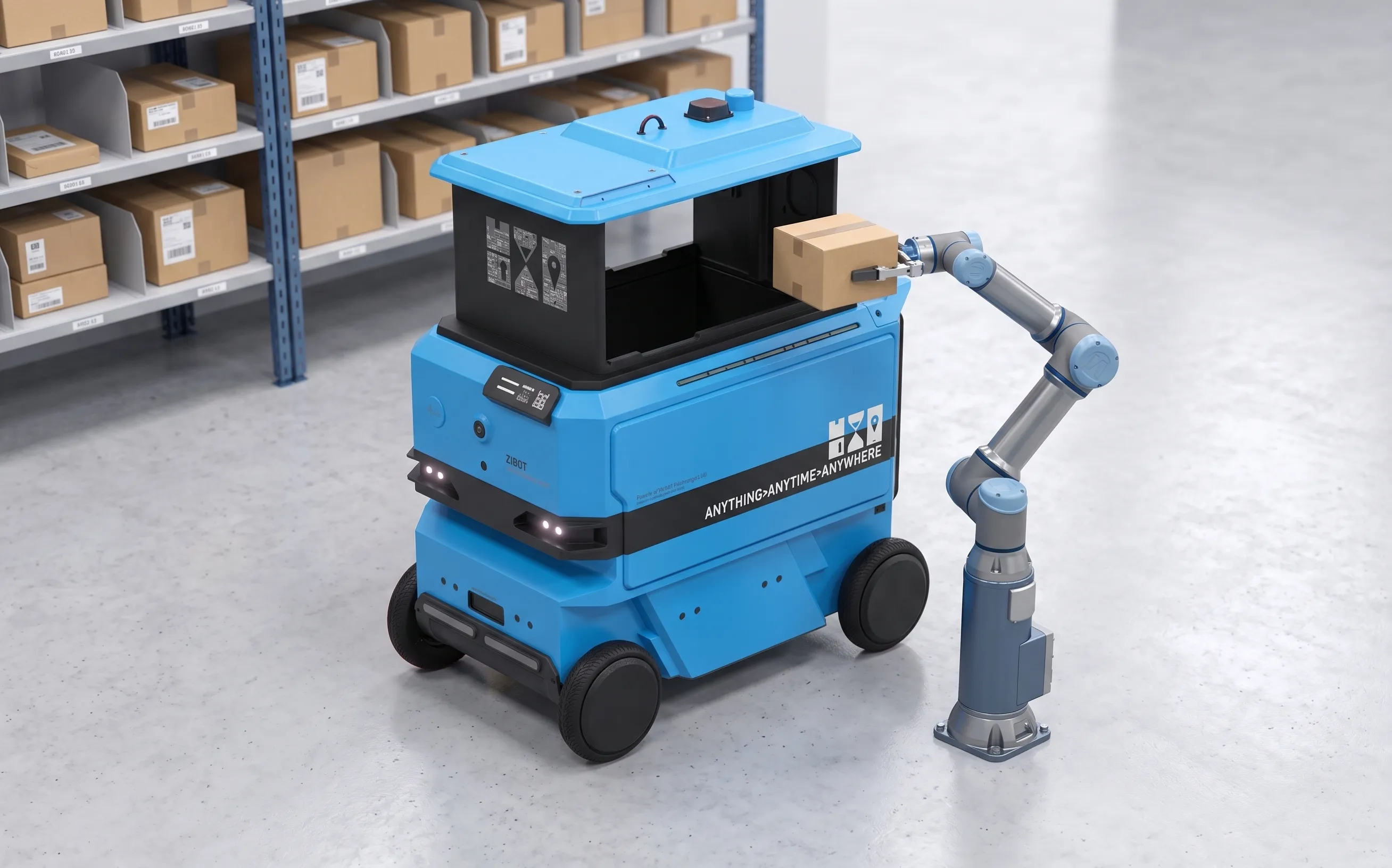
日本発の双腕ロボットによる積み込みの実証は、配送自動化の次なる一歩が物理的な荷物の受け渡しの自動化であることを示している。
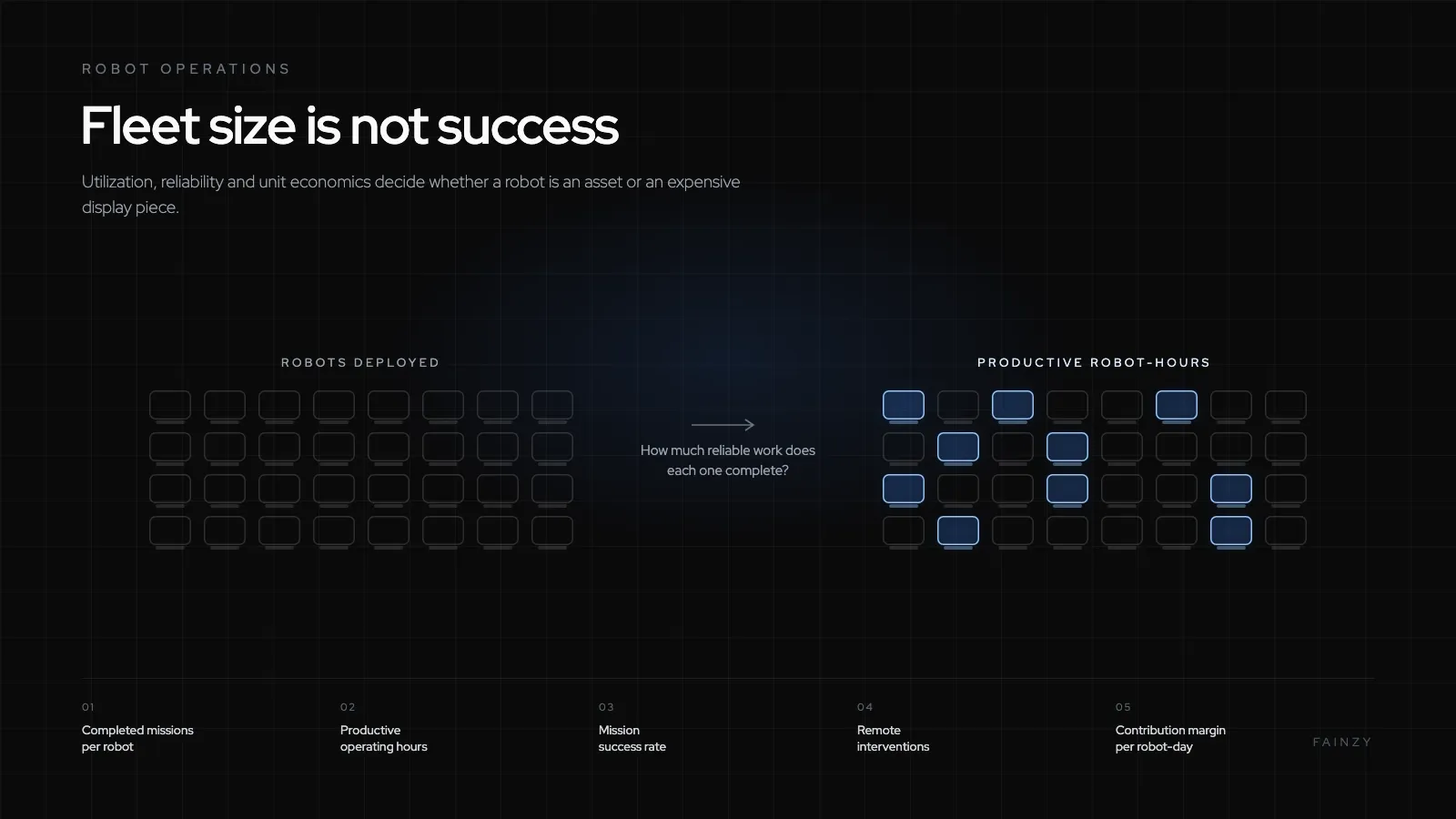
ロボットの稼働率、完了ミッション数、信頼性、ユニットエコノミクスが、導入されたロボットの総数よりも重要である理由を解説する。
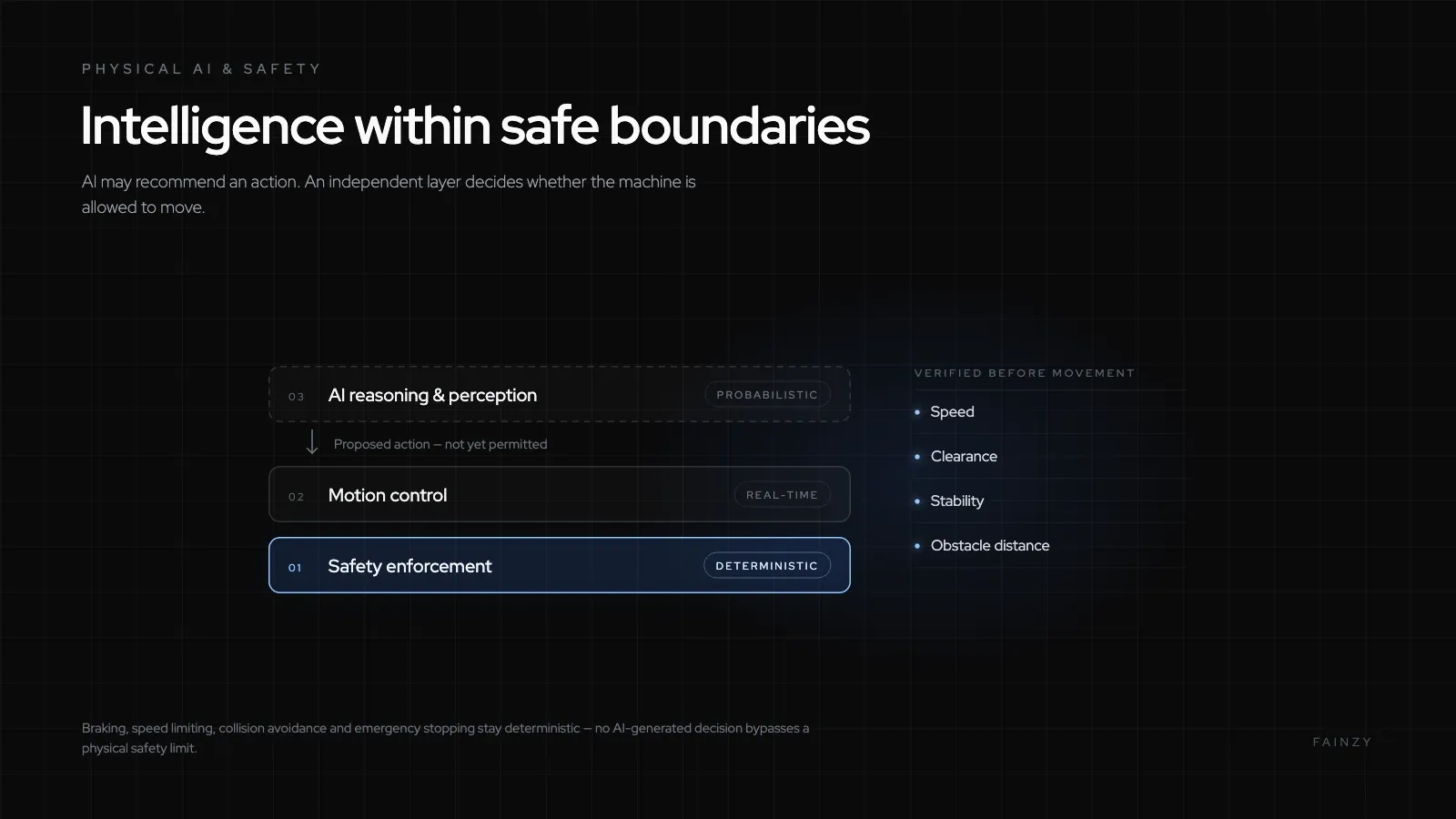
自律走行ロボットには、AIによる推論とは別に、モーション制御と決定論的な安全レイヤーが必要である理由を解説する。