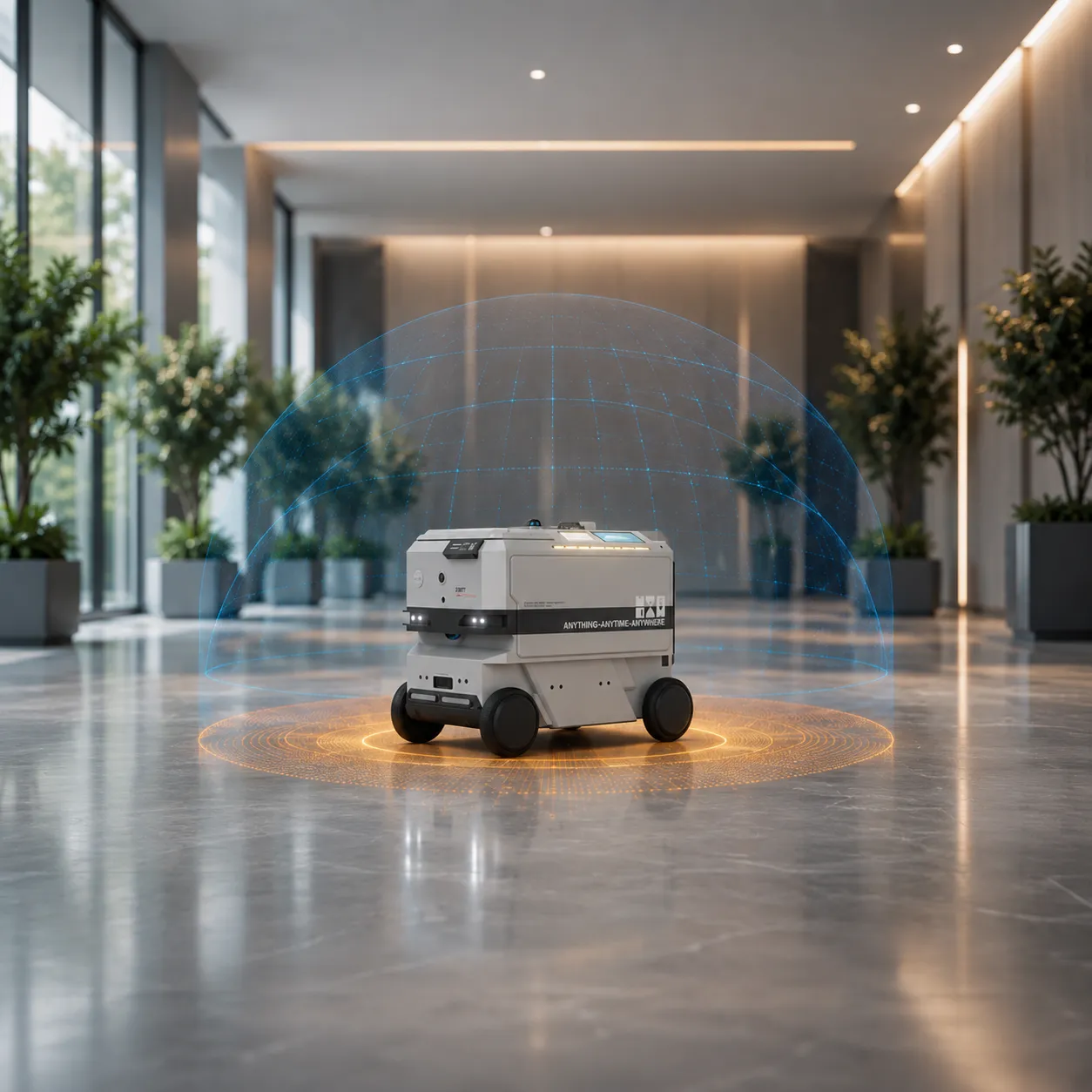

Why Delivery Robots Need Regulator-Ready Evidence
A low incident count means little without knowing how far, how often and under what conditions a robot operated. Public deployment requires evidence that regulators and communities can interpret.
自律型ロボティクスと配送テクノロジーの最新情報・ストーリー・インサイトをお届けします。

Delivery robots can navigate buildings and sidewalks, yet still depend on someone being available to load, receive or transfer every order. Secure asynchronous handoffs may be the infrastructure layer that finally removes this hidden labour.

A low incident count means little without knowing how far, how often and under what conditions a robot operated. Public deployment requires evidence that regulators and communities can interpret.

Delivery robots can navigate buildings and sidewalks, yet still depend on someone being available to load, receive or transfer every order. Secure asynchronous handoffs may be the infrastructure layer that finally removes this hidden labour.

自律型システムの展開成功は、ハードウェアを輸出するだけでは実現しない。現在台頭しているモデルは、現地オペレーション、既存の需要チャネル、そして厳密に限定された運用ドメイン内での認証を組み合わせたものだ。

障害物回避は歩行者安全の一側面に過ぎない。配送ロボットはアクセシブルな経路を確保し、予測可能に行動し、フリートレベルの障害を防ぐ必要がある。

配送、案内、広告、清掃を一台に統合すれば稼働率は上がるかもしれないが、焦点の定まらない、保守しづらいロボットになるリスクもある。

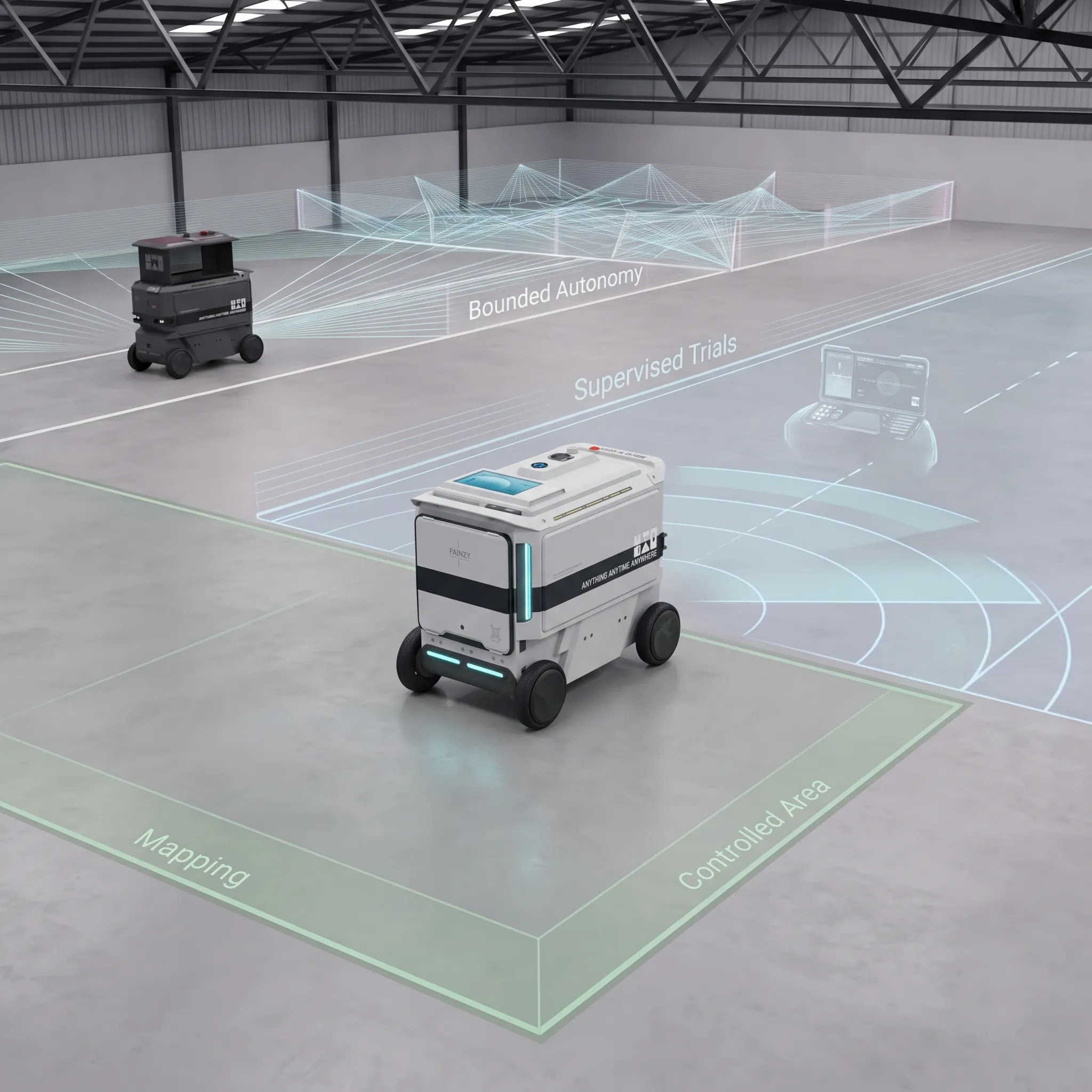
監督下での試験走行から、範囲を限定した自律走行へと段階的に移行することが、より安全な認証に必要な実績データを積み上げる。

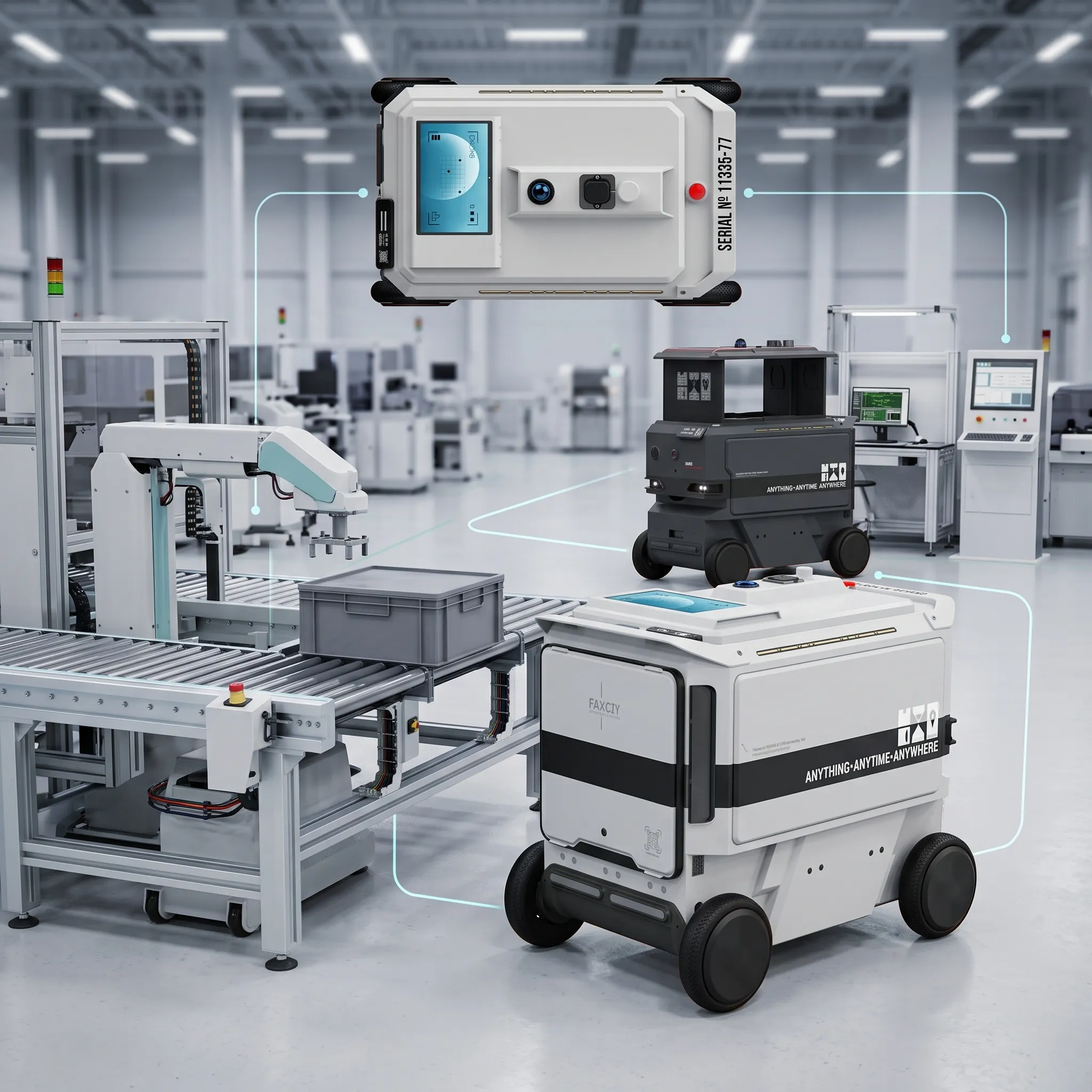
大規模なAMR導入の事例は、ロボットを施設やワークフローに接続することが、ロボット自体を確実に走らせることよりも難しい場合が多いことを示している。

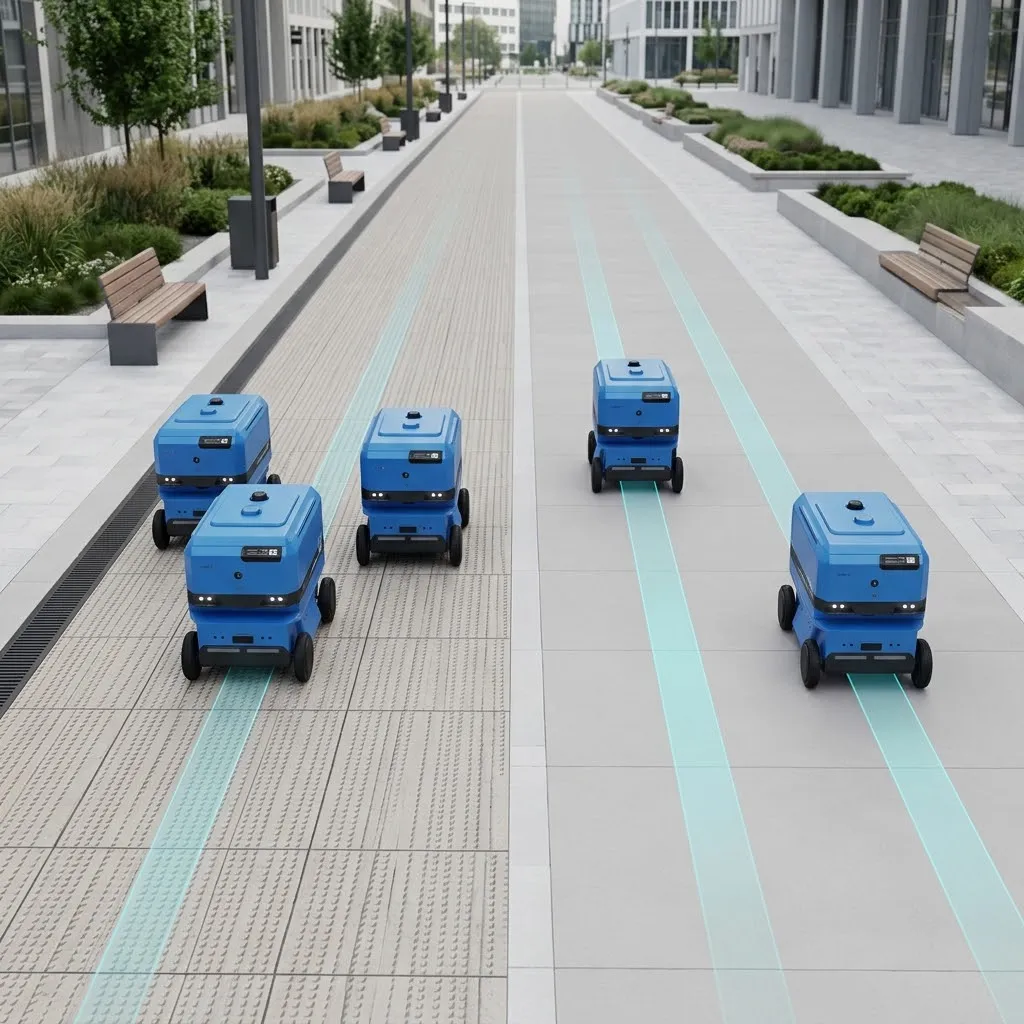
個々の障害物回避だけでは、配送ロボットの一団が共有の歩行者ルートを塞ぐことを防げない。防げるのはフリート制御だ。

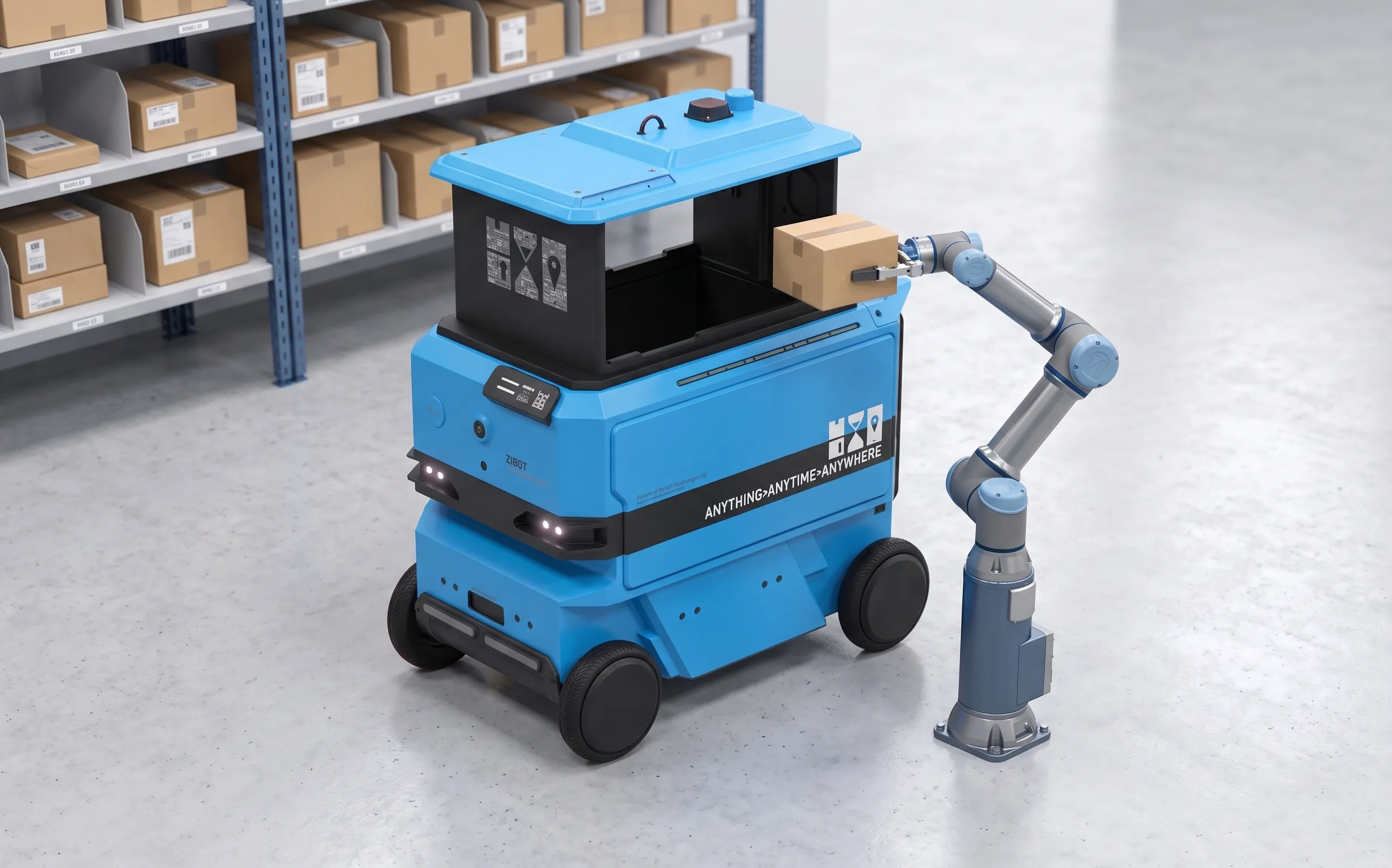
日本発の双腕ロボットによる積み込みの実証は、配送自動化の次なる一歩が物理的な荷物の受け渡しの自動化にあることを示している。

ロボットの稼働率、完了ミッション数、信頼性、ユニットエコノミクスが、導入台数の総数よりも重要である理由。

自律走行ロボットには、AIによる推論、モーション制御、決定論的な安全レイヤーがそれぞれ独立して必要である理由を解説する。