Why Delivery Robots Need Regulator-Ready Evidence
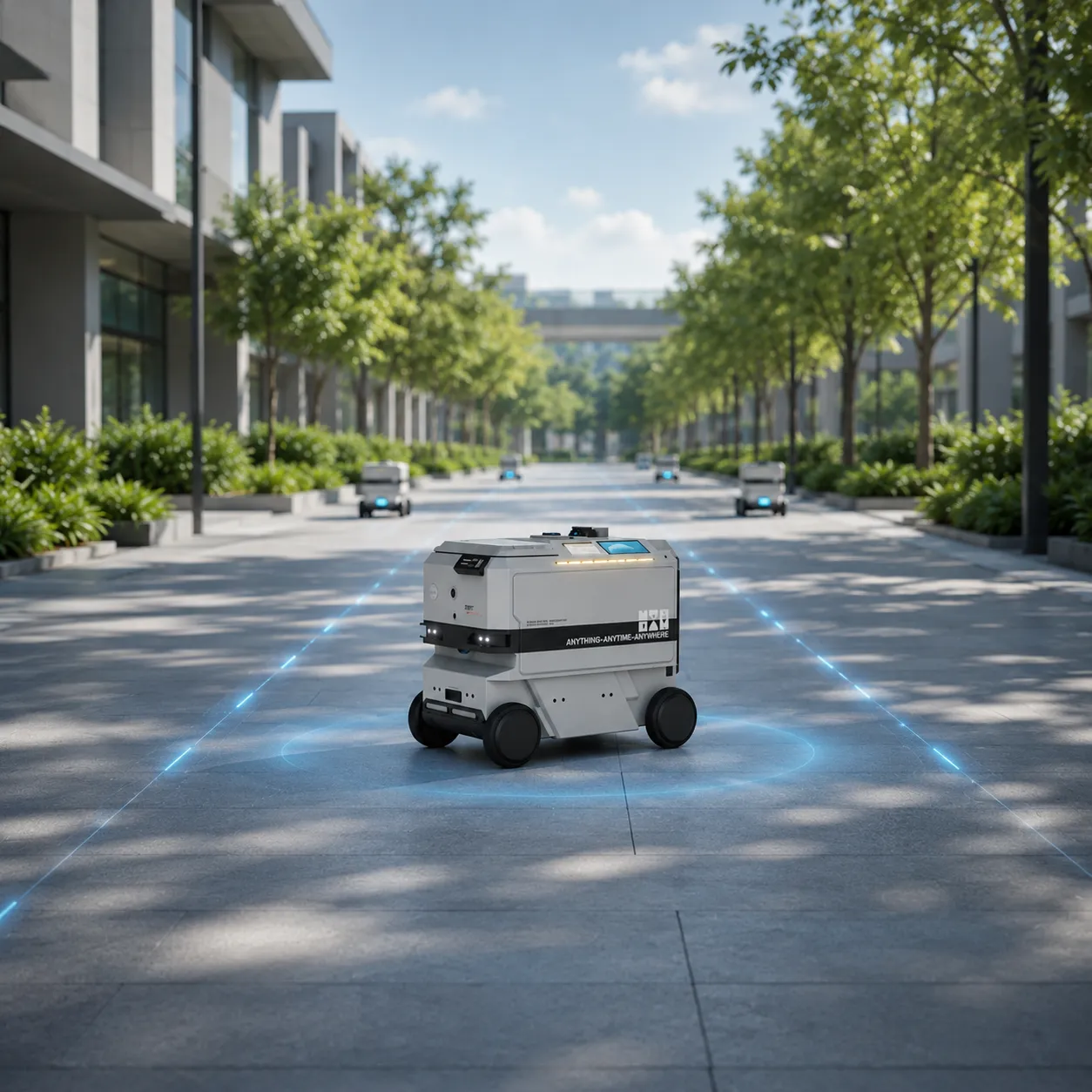
A low incident count means little without knowing how far, how often and under what conditions a robot operated. Public deployment requires evidence that regulators and communities can interpret.
Insights, stories, and updates from the world of autonomous robotics and delivery technology

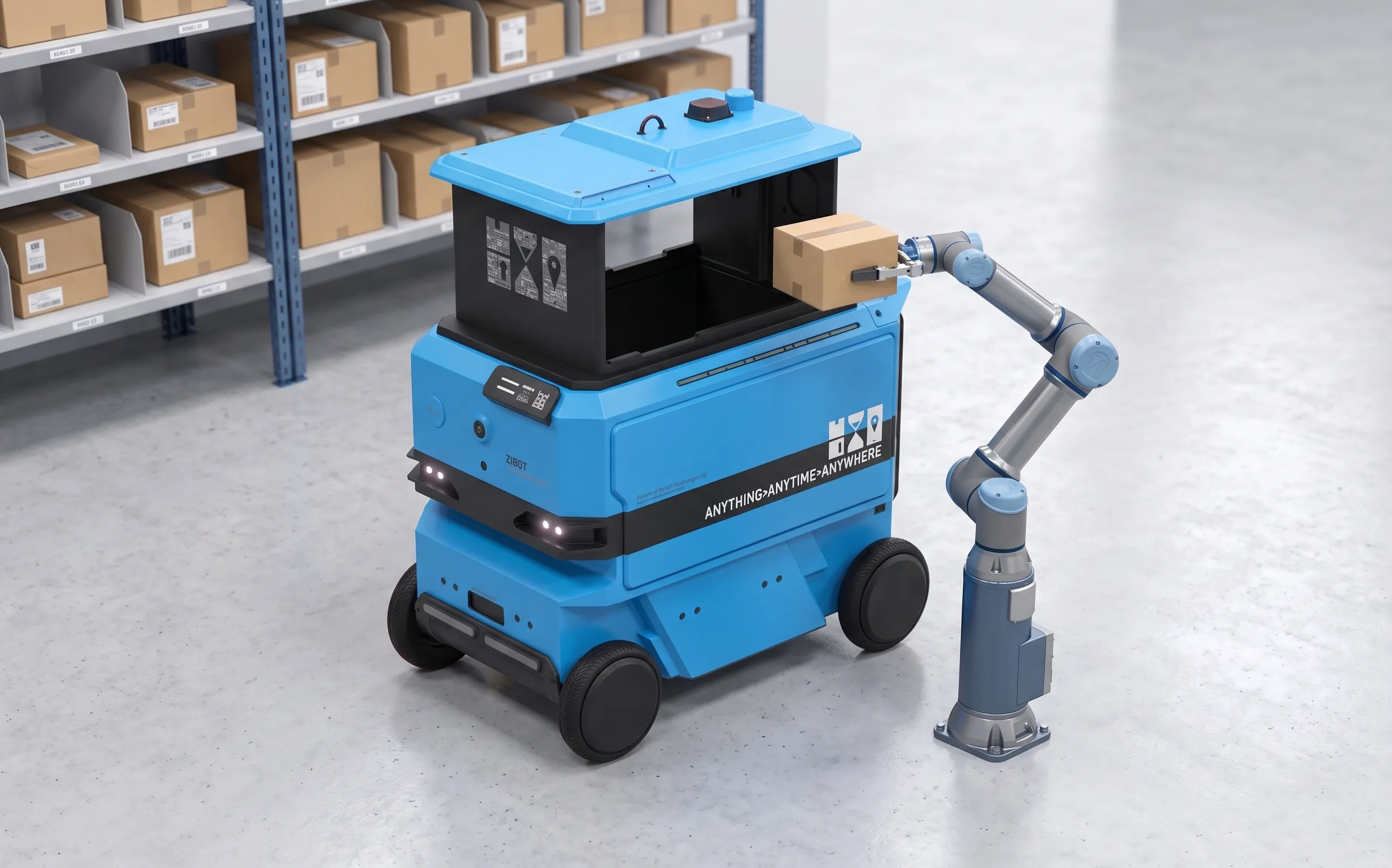
Delivery robots can navigate buildings and sidewalks, yet still depend on someone being available to load, receive or transfer every order. Secure asynchronous handoffs may be the infrastructure layer that finally removes this hidden labour.

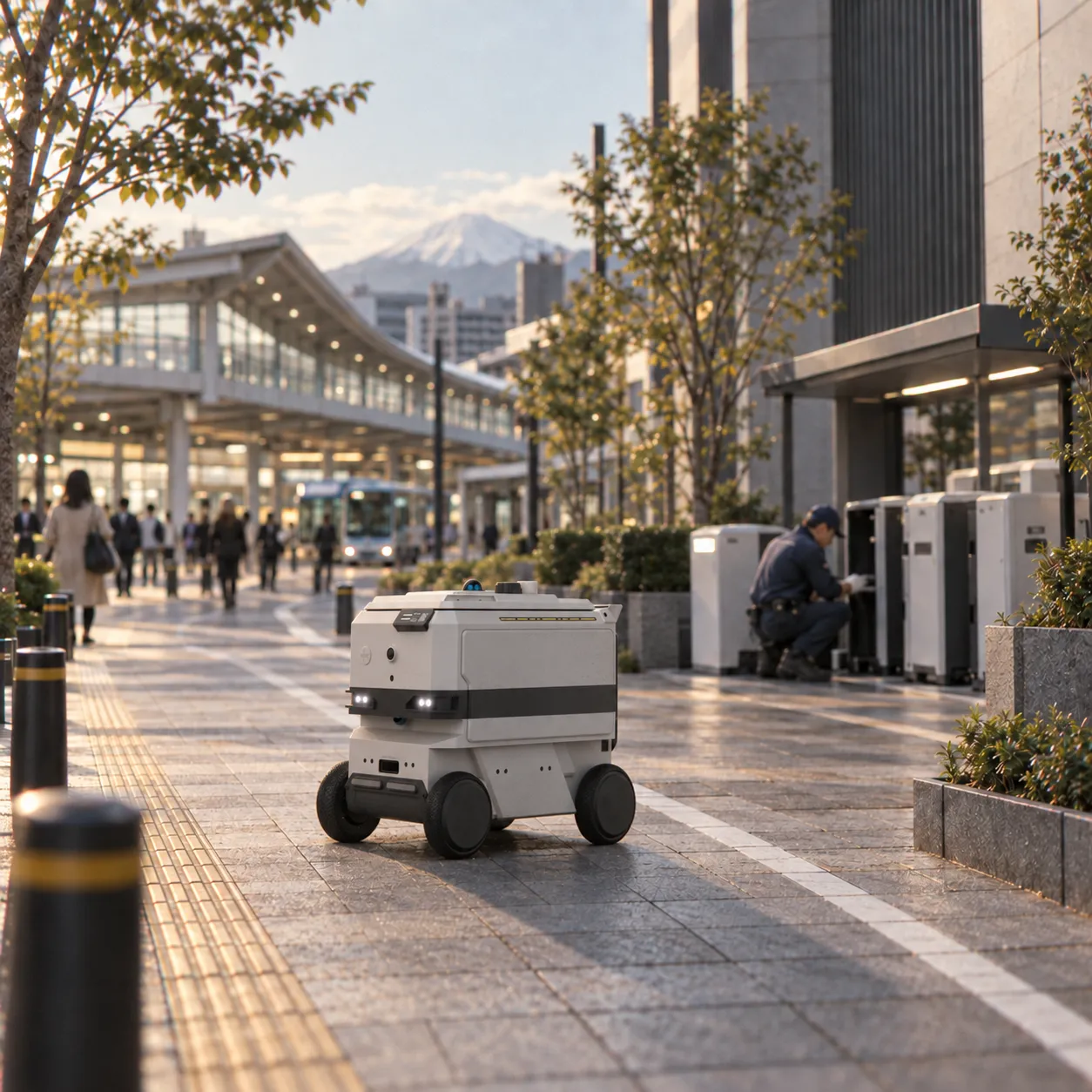
Excerpt: Successful autonomous deployment depends on more than exporting hardware. The emerging model combines local operations, existing demand channels and certification within a tightly bounded operating domain.

A low incident count means little without knowing how far, how often and under what conditions a robot operated. Public deployment requires evidence that regulators and communities can interpret.

Delivery robots can navigate buildings and sidewalks, yet still depend on someone being available to load, receive or transfer every order. Secure asynchronous handoffs may be the infrastructure layer that finally removes this hidden labour.

Excerpt: Successful autonomous deployment depends on more than exporting hardware. The emerging model combines local operations, existing demand channels and certification within a tightly bounded operating domain.

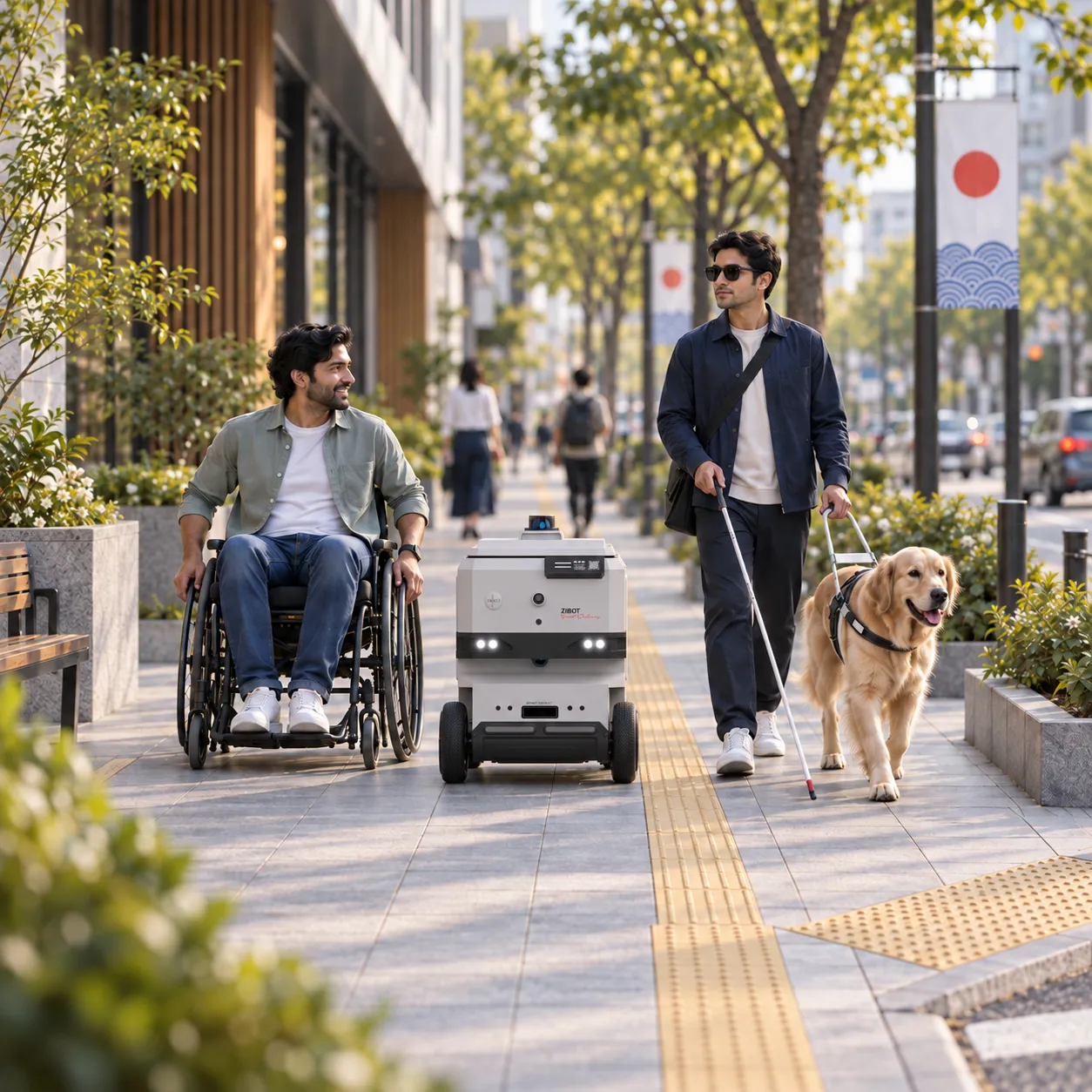
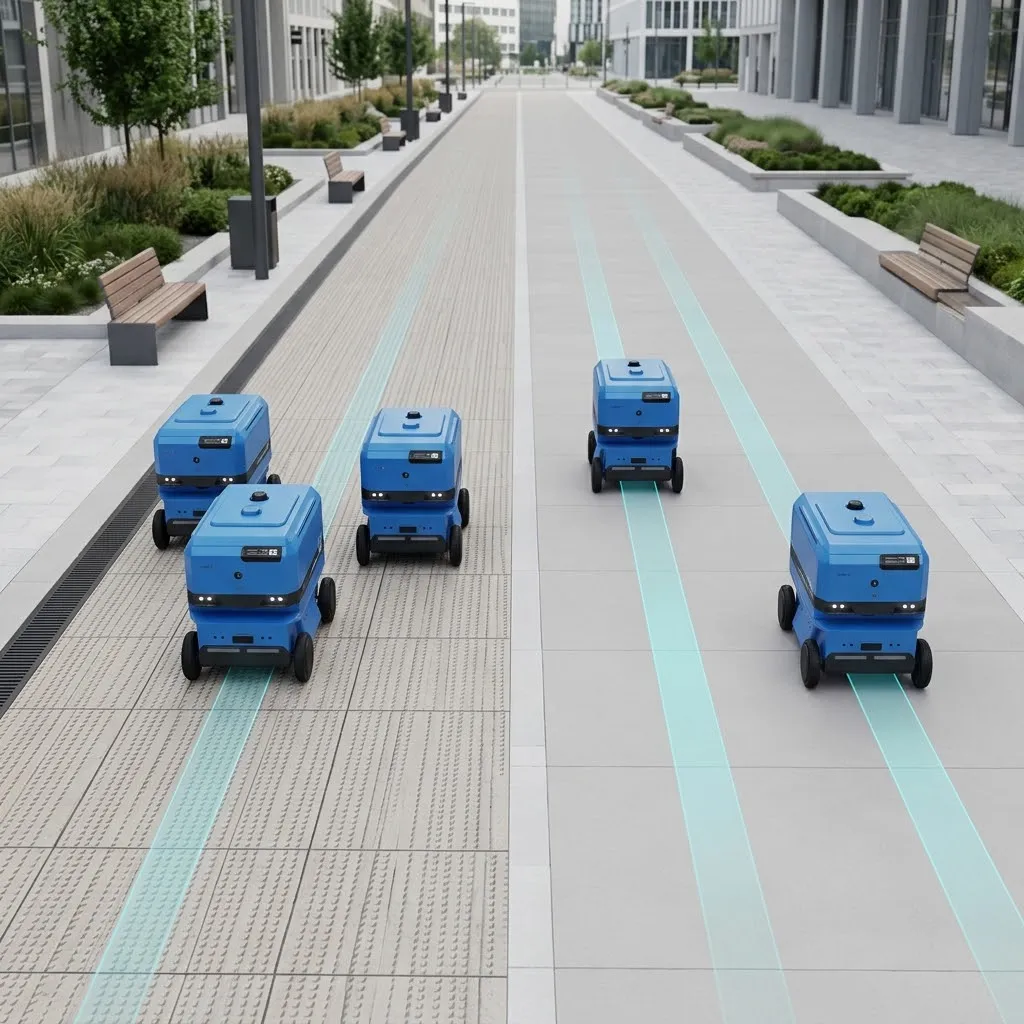
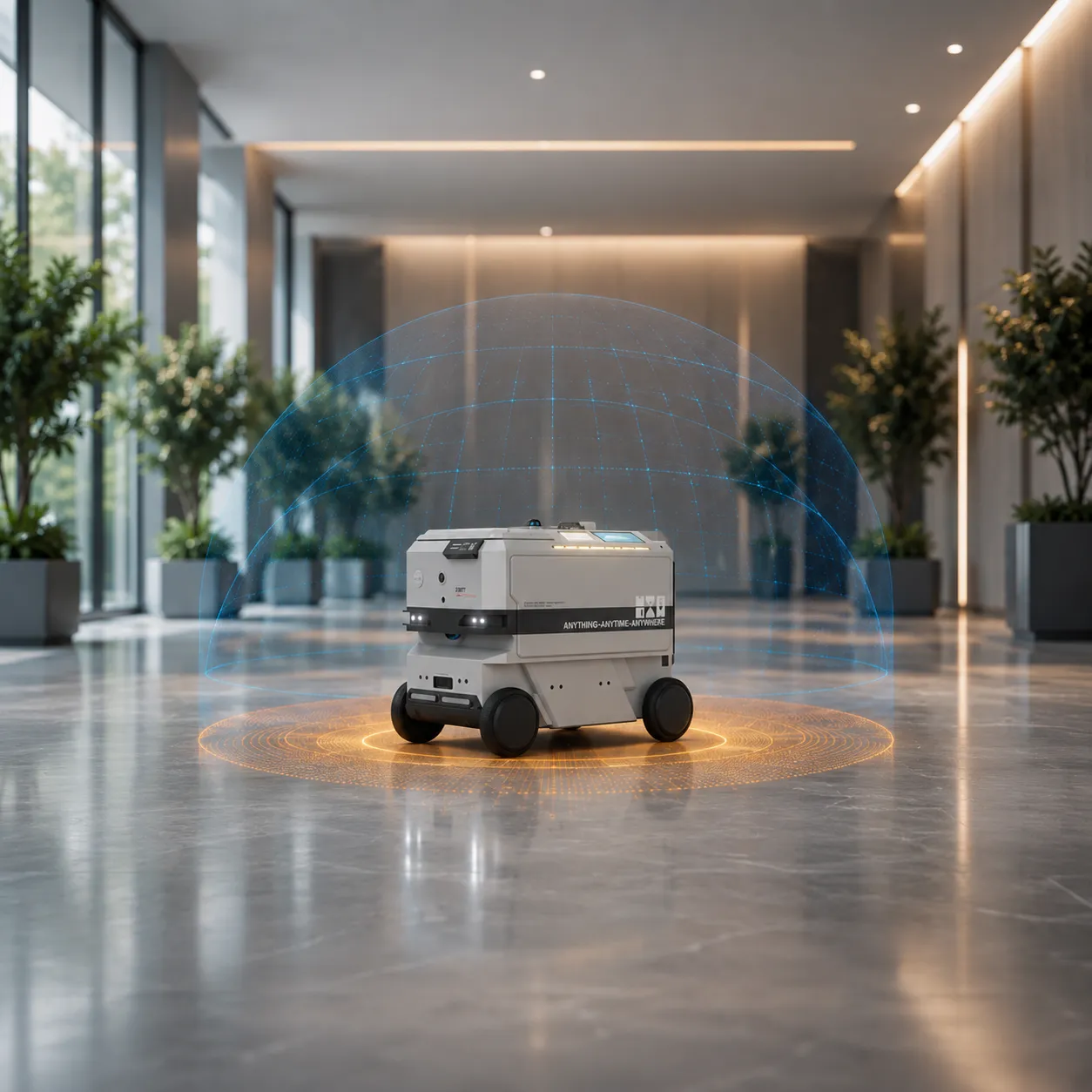
Obstacle avoidance is only one part of pedestrian safety. Delivery robots must preserve accessible routes, behave predictably and prevent fleet-level obstruction.

Combining delivery, guidance, advertising and cleaning could improve utilization - but it can also create an unfocused and difficult-to-maintain product.

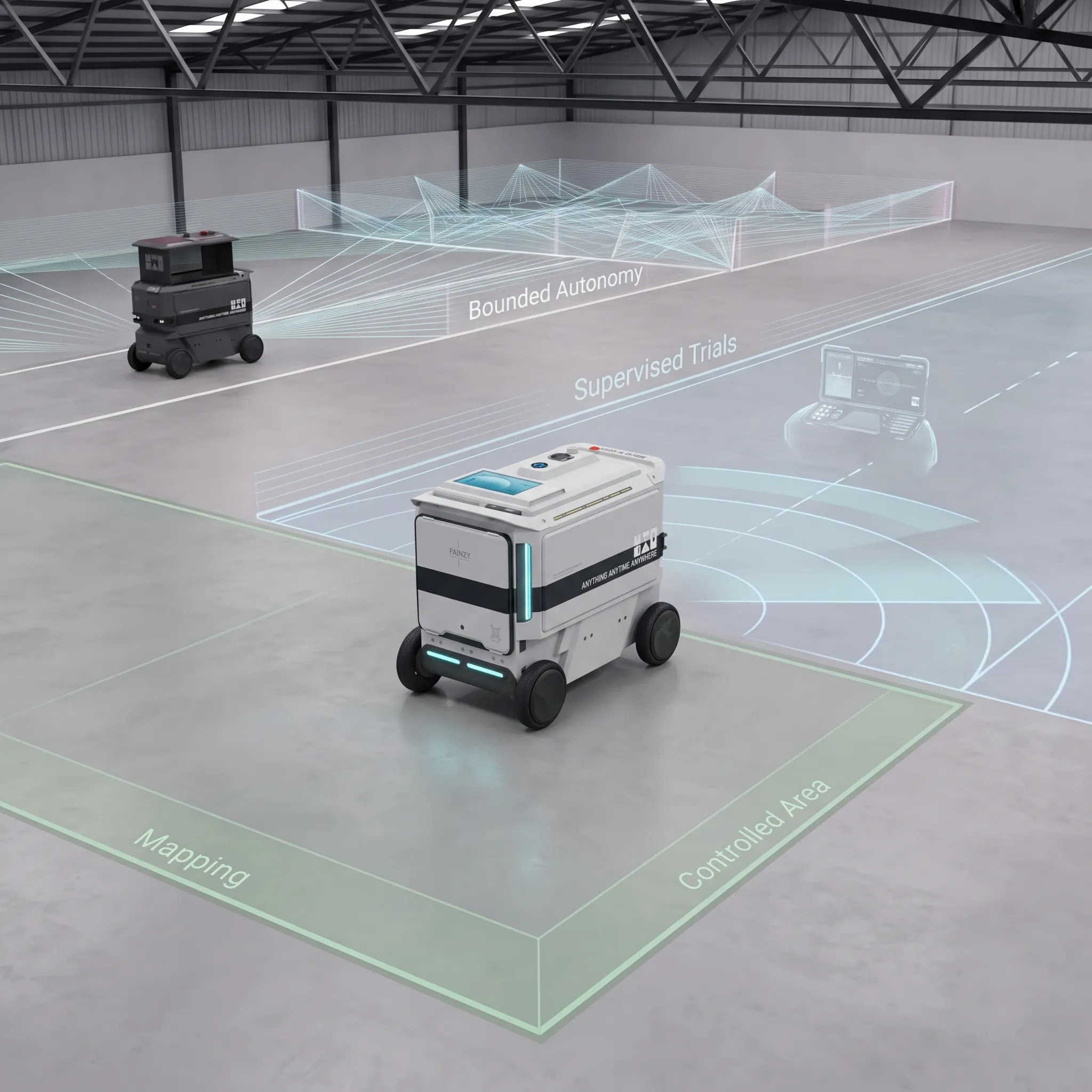
Moving gradually from supervised trials to bounded autonomous operation creates measurable evidence for safer certification and deployment.

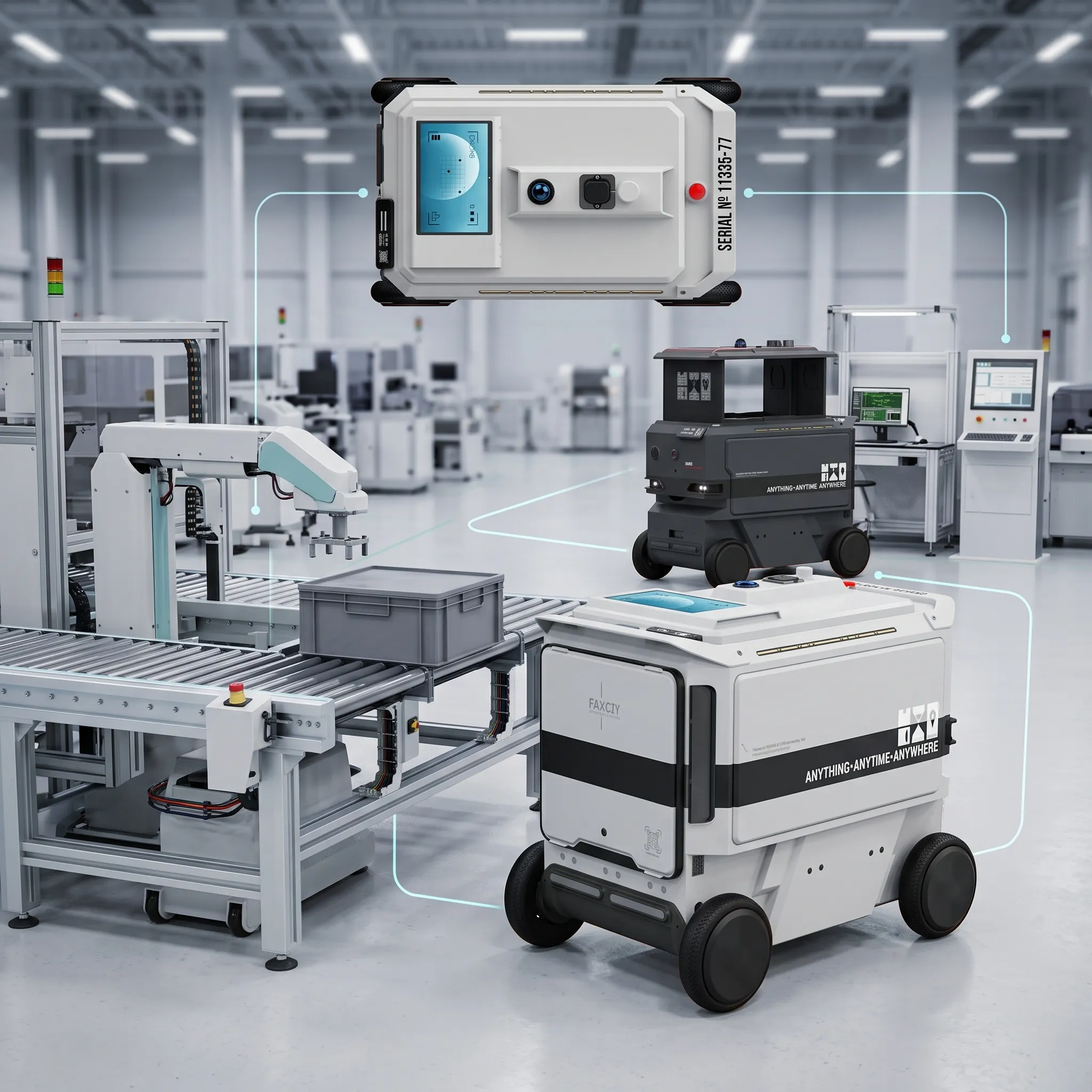
Large robotic deployments show that connecting robots to facilities and workflows can be harder than making the robots move reliably.

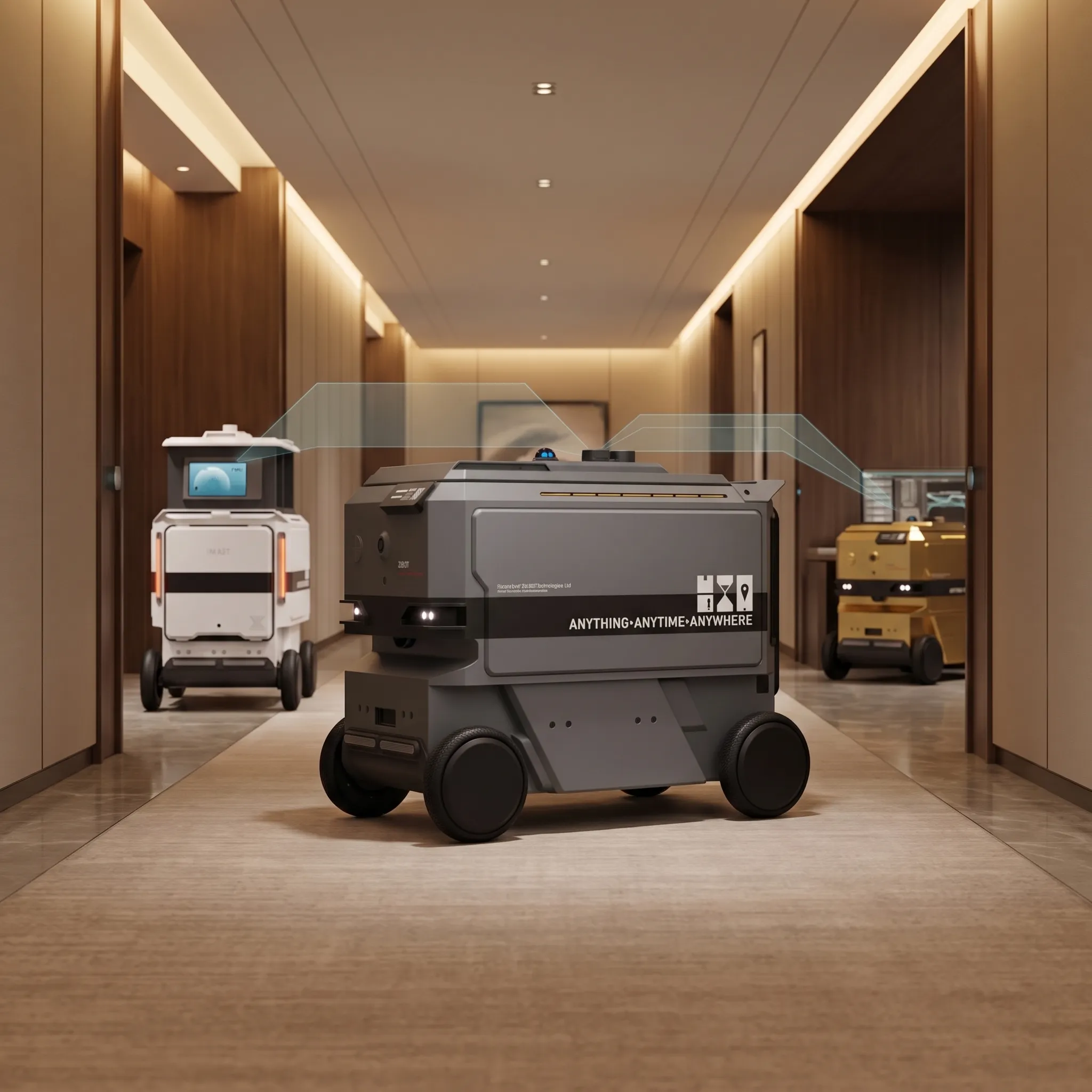
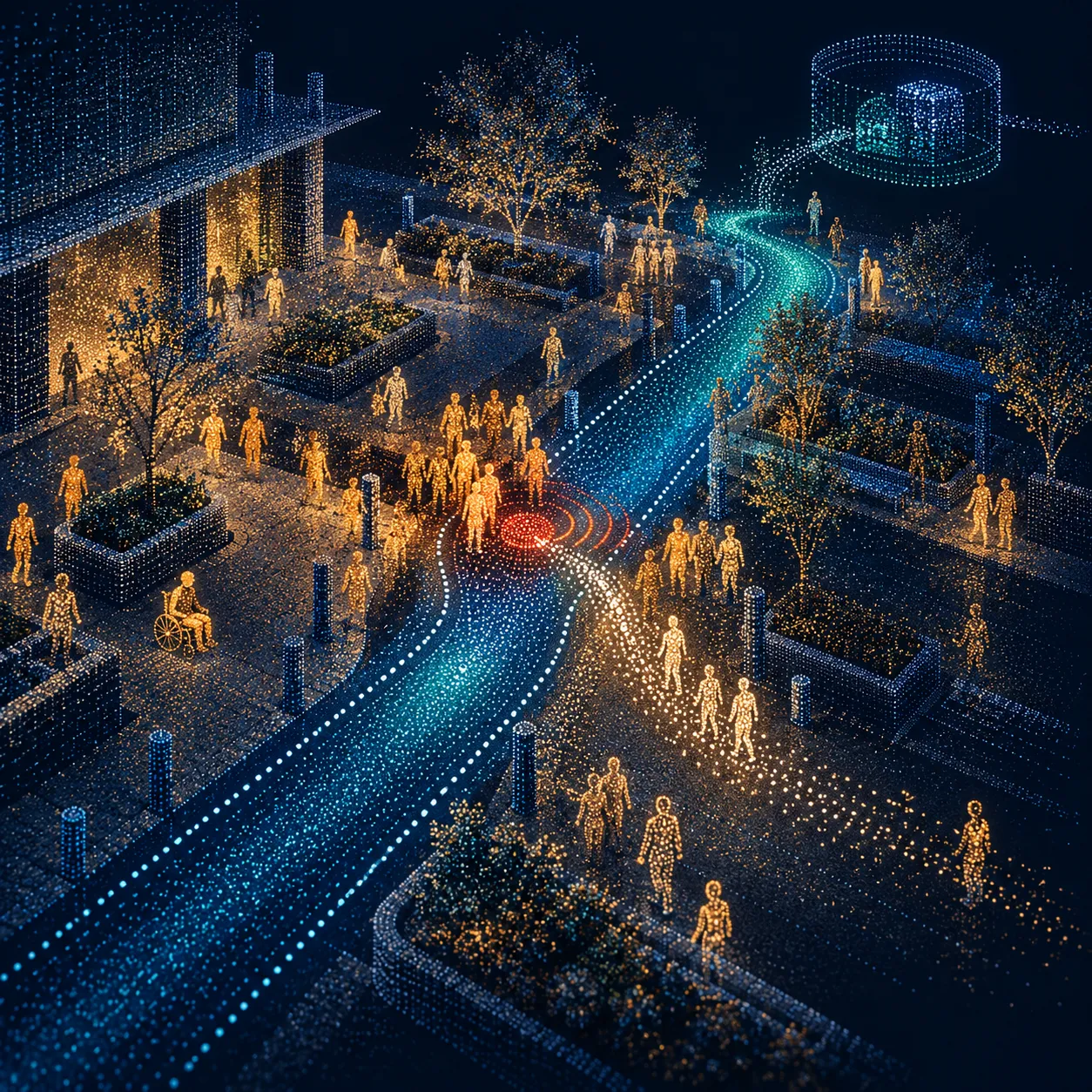
Individual obstacle avoidance cannot prevent a group of delivery robots from collectively blocking a shared pedestrian route.

A successful Japanese demonstration shows that the next step in delivery automation is not better navigation - it is automating the physical handoff of parcels.

Deployment numbers alone reveal little about commercial success. What matters is how much reliable, valuable work each robot actually completes.

Advanced AI can help robots understand complex environments, but safety-critical decisions still require fast, predictable and independently verifiable controls.