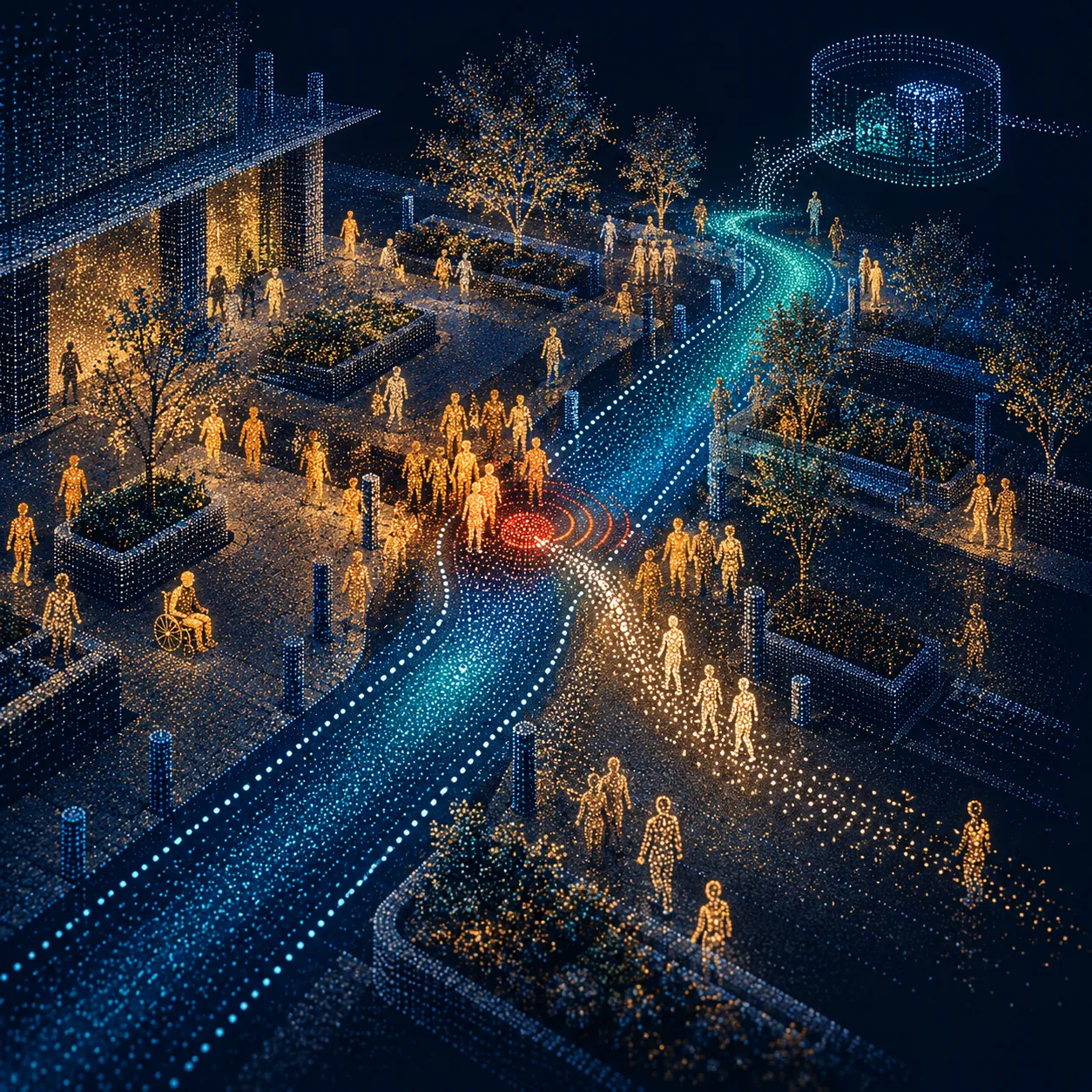
How exposure-normalized incidents, obstruction data and auditable fleet logs can support safer public delivery-robot deployment.
Posts
Showing 1 - 11 of 11 Posts

Why hybrid couriers, secure endpoints and interoperable custody systems may unlock more value than complete door-to-door autonomy.
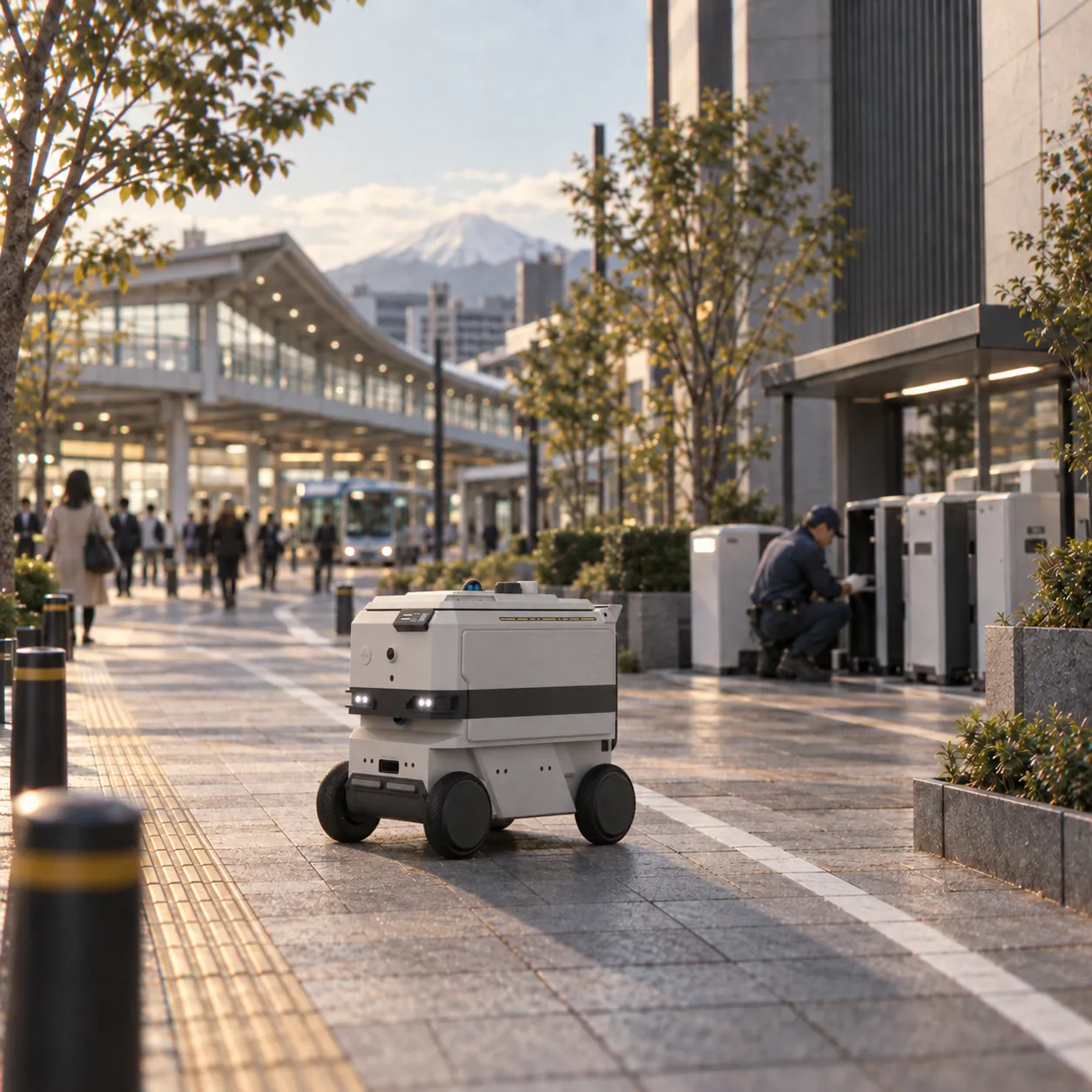
See how local partners, bounded operating domains and phased certification can help autonomous robots enter new markets safely.
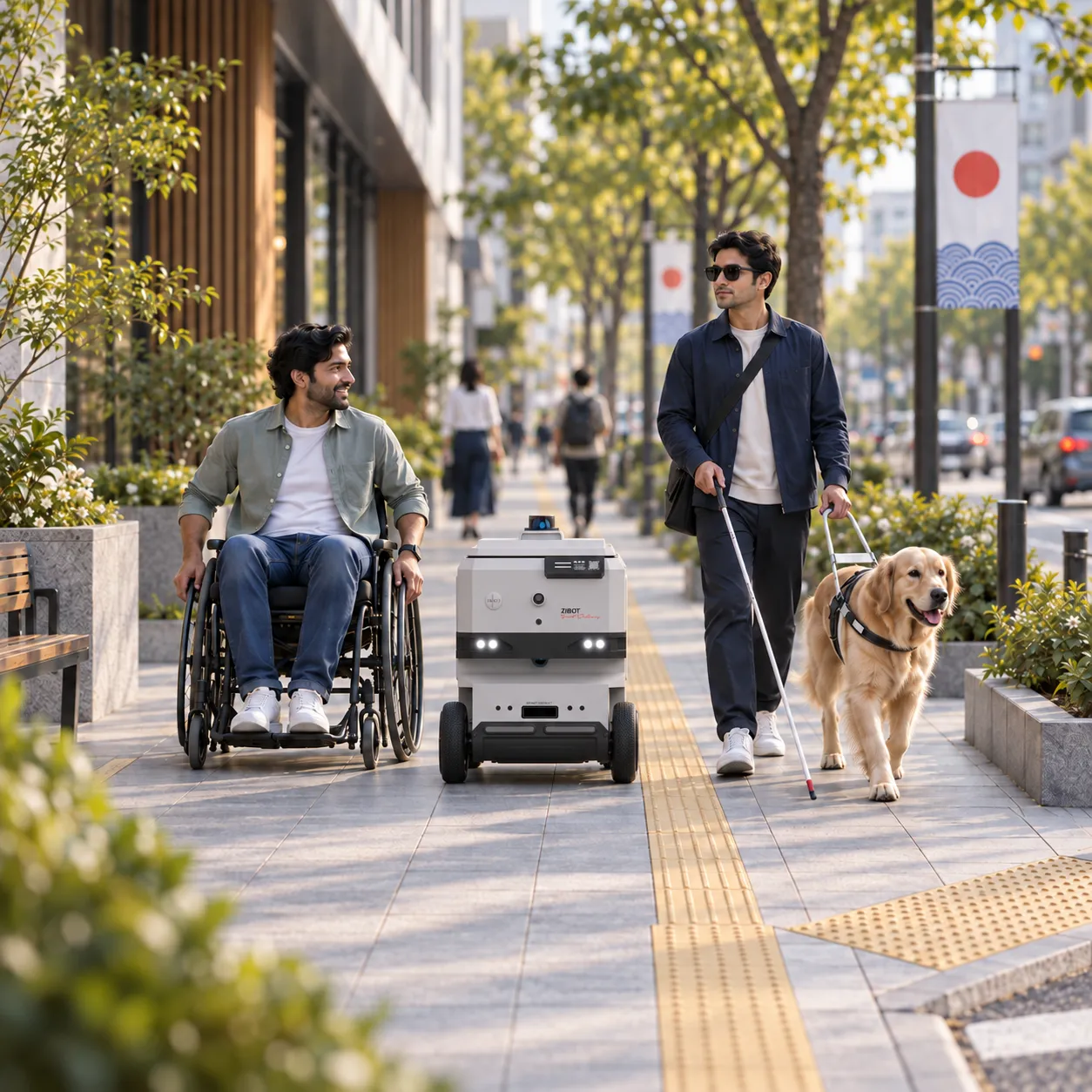
Collision avoidance is not enough. Safe delivery robots must preserve accessibility, clear paths and predictable pedestrian movement.
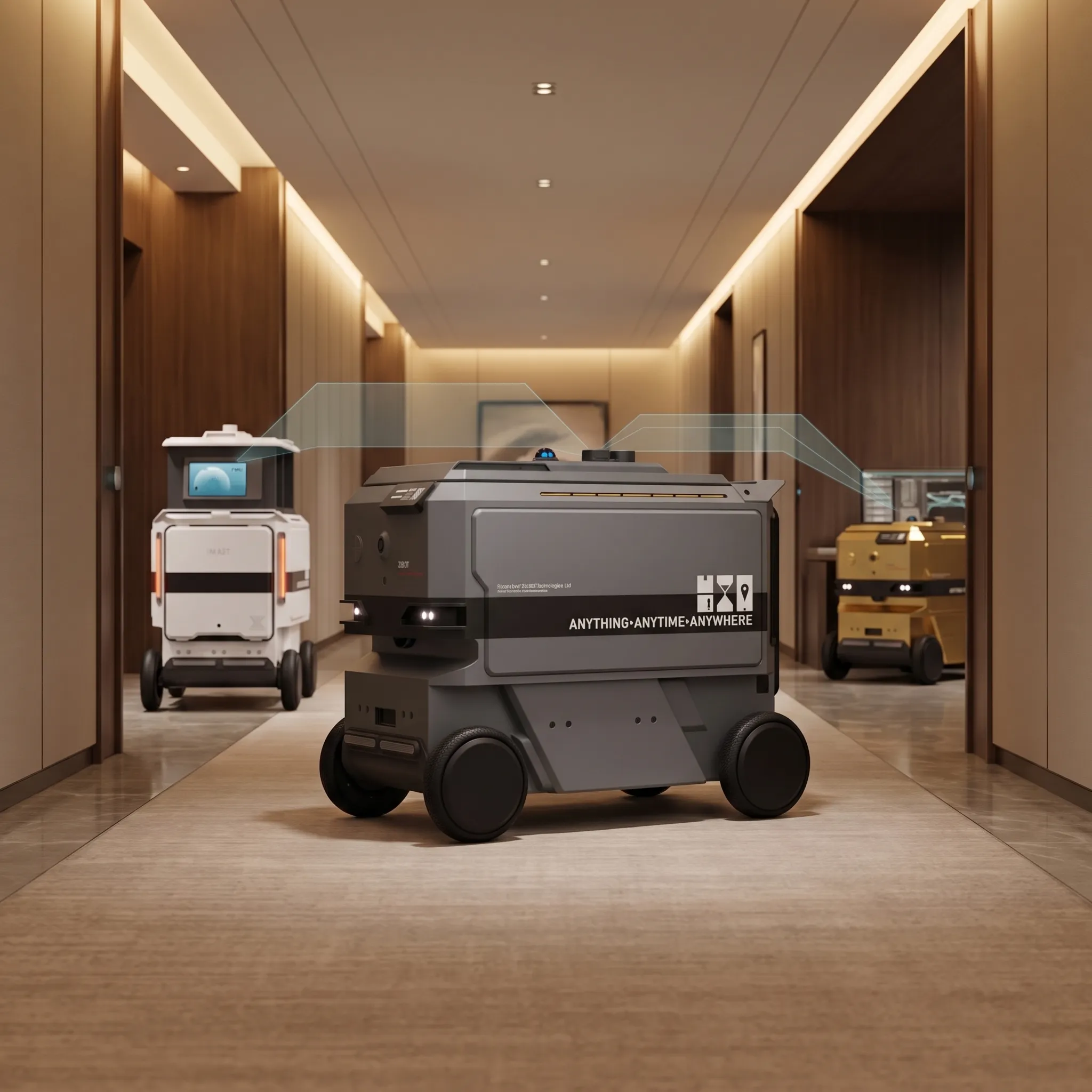
Combining delivery, guidance, advertising and cleaning can raise utilization, but it also risks an unfocused, hard-to-maintain robot.
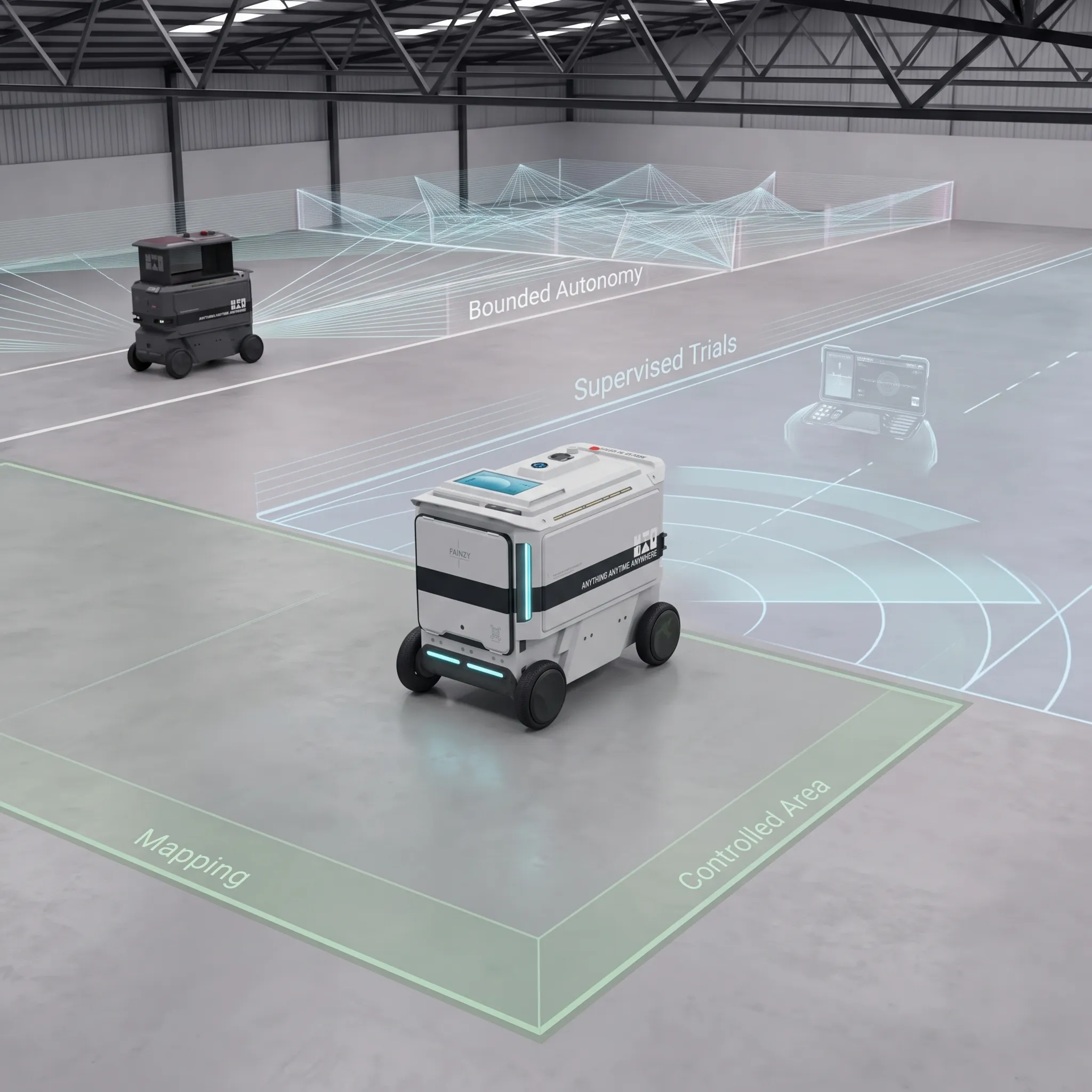
Moving gradually from supervised trials to bounded autonomous operation builds the evidence needed for safer certification.
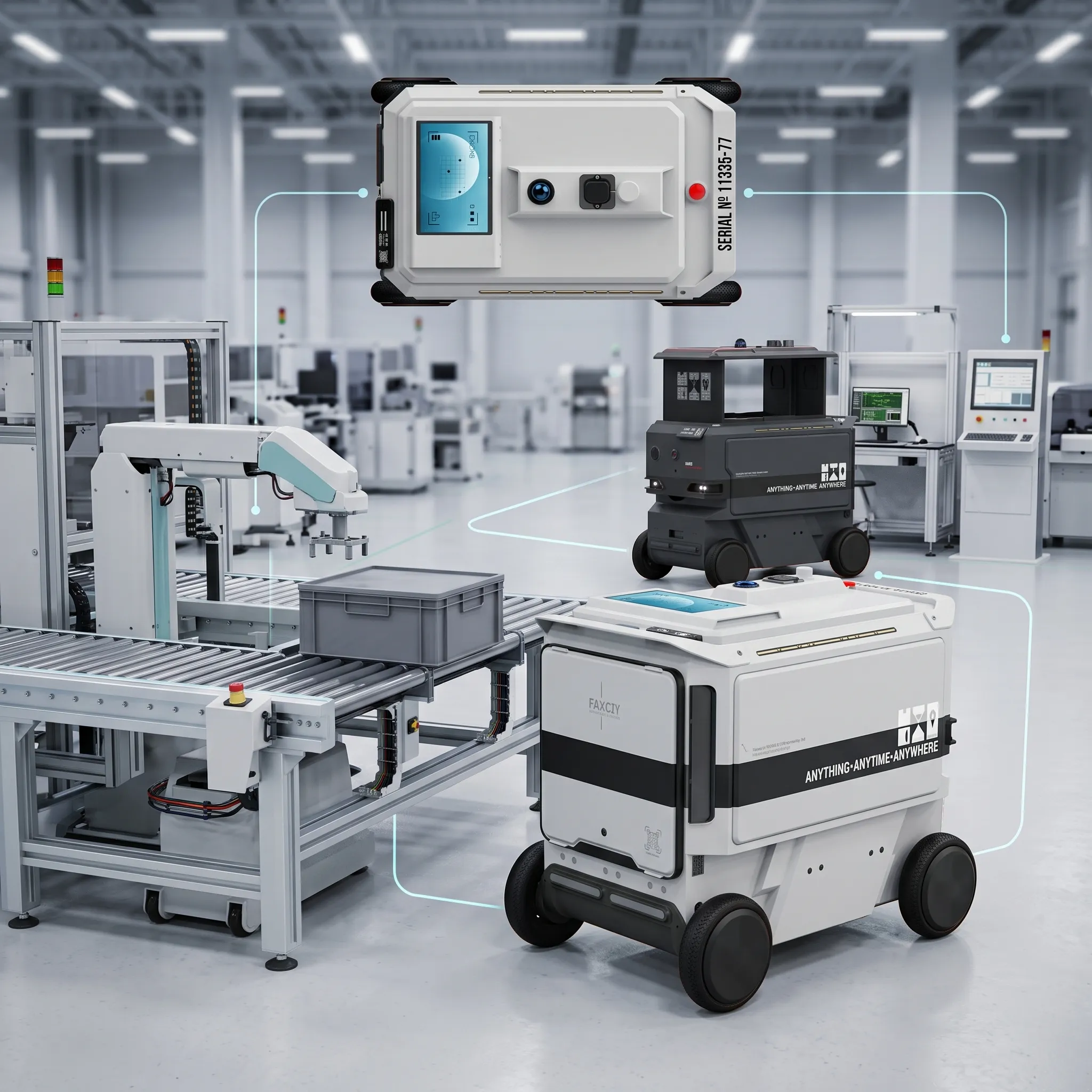
Large AMR deployments show that connecting robots to facilities and workflows is often harder than making the robots move reliably.
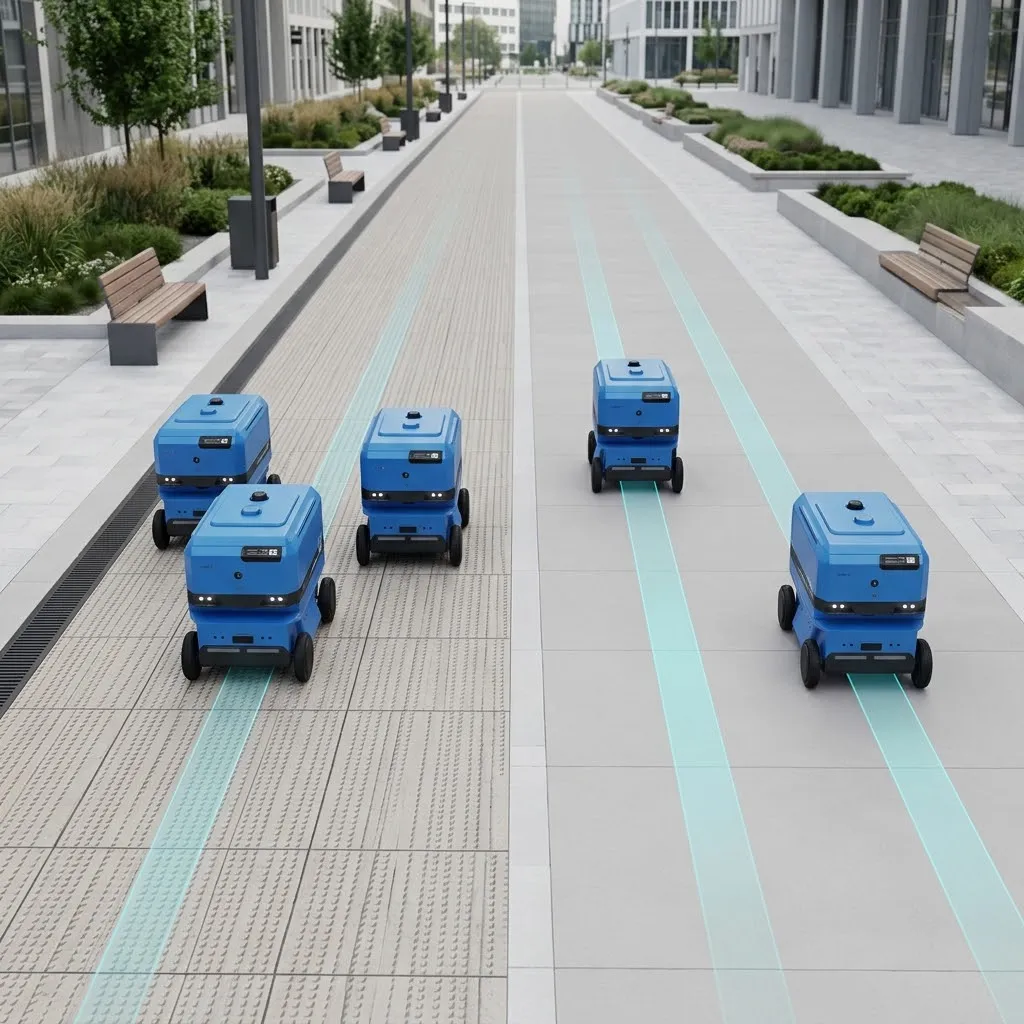
Individual obstacle avoidance cannot stop a group of delivery robots from blocking a shared pedestrian route. Fleet control can.
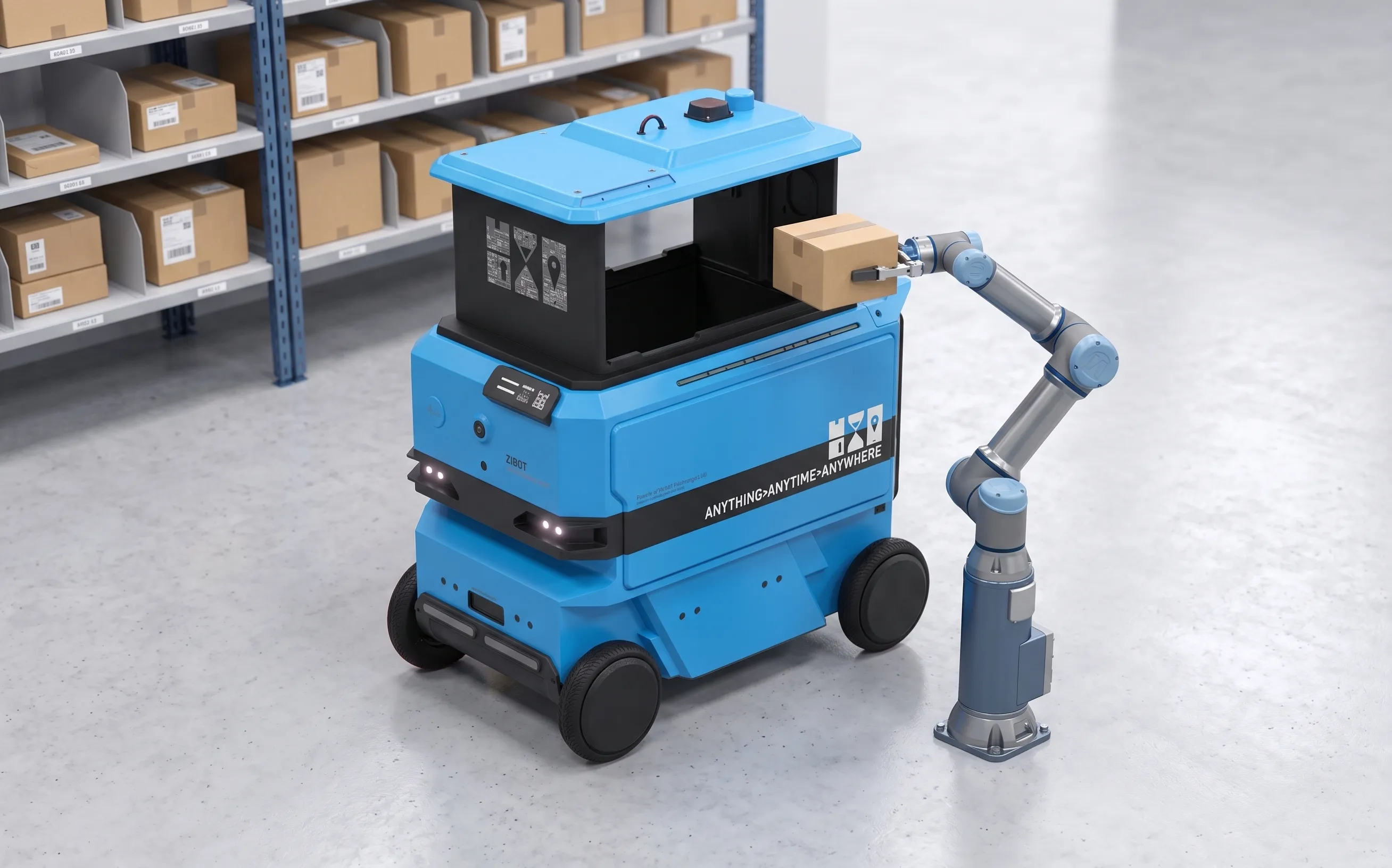
A Japanese dual-arm loading demonstration shows the next step in delivery automation is automating the physical parcel handoff.
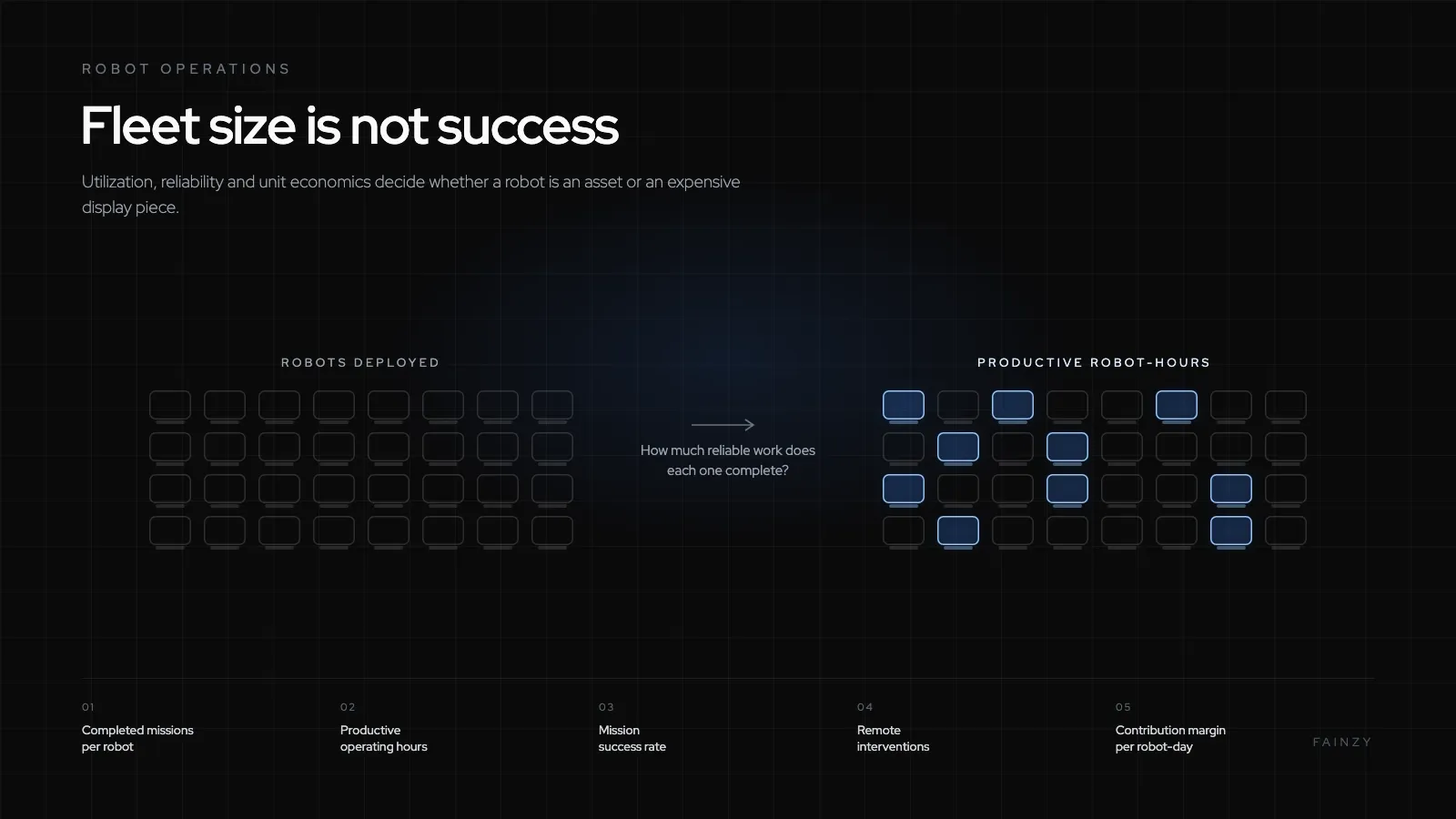
Discover why robot utilization, completed missions, reliability and unit economics matter more than the total number of robots deployed.
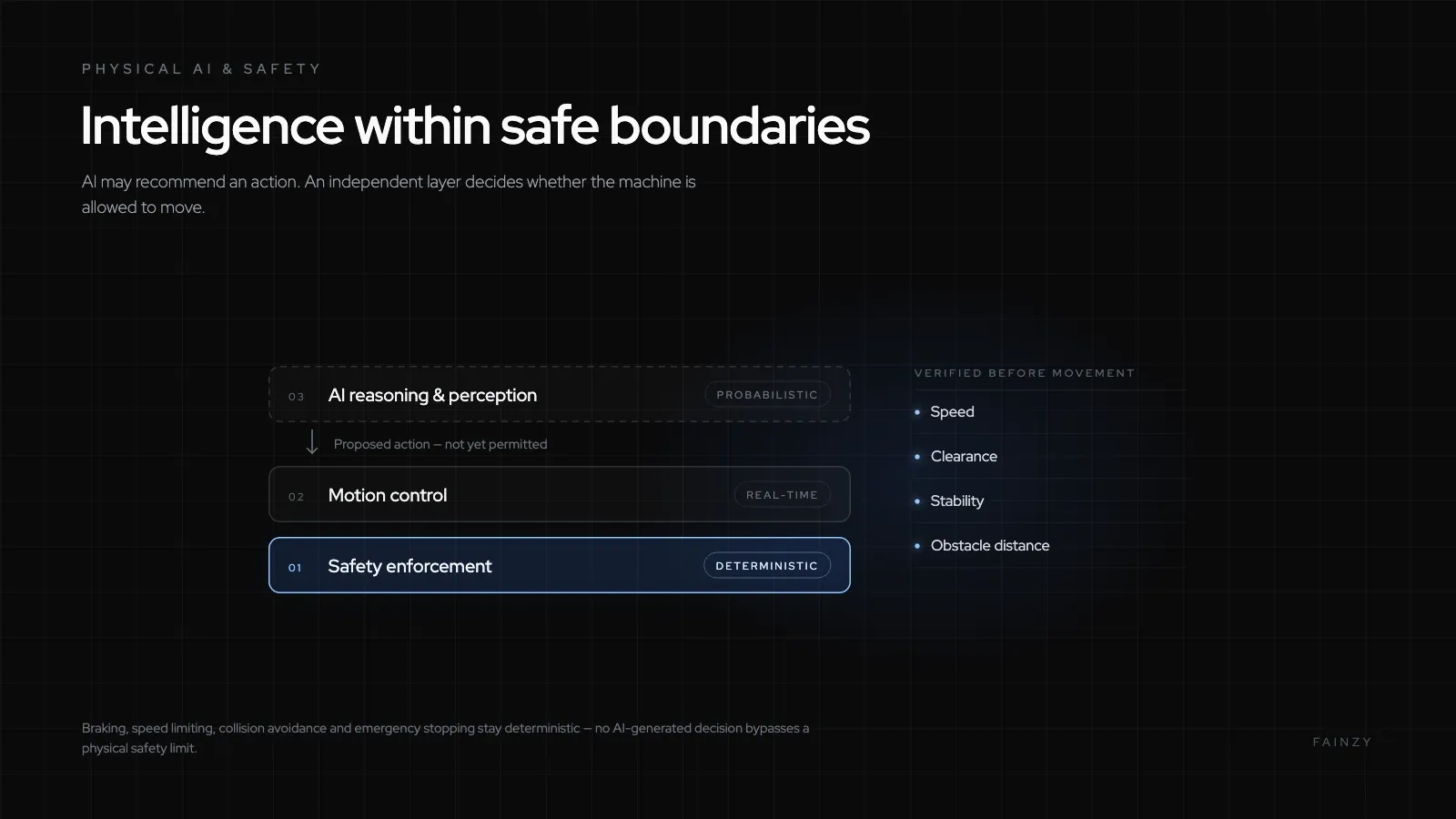
Learn why autonomous robots need separate AI reasoning, motion-control and deterministic safety layers for reliable physical operation.